If you want a pet camera for bearded dragon UVB basking monitoring, the best 2026 picks are high-resolution indoor cams with sharp digital zoom, pan/tilt control, color night vision, and motion alerts you can aim at the basking spot. A bearded dragon's UVB bulb and basking surface need to hold 95–110°F (35–43°C) for adults during the day, and your dragon should sit flat under the lamp, eyes bright and mouth occasionally agape to thermoregulate. A 2K or 4K camera lets you watch posture, gaping, glass-surfing, and shed behavior remotely — and confirm that the UVB fixture has not burnt out while you are at work.
Below are the four pet cams that work best on a glass vivarium, the trade-offs between them, and exactly how to mount them so the heat lamp does not blow out your image.
What a bearded dragon owner actually needs in a camera
Reptile enclosures are a hostile environment for security cameras. The basking lamp throws intense IR and visible light from above, the glass reflects everything, and the dragon is small relative to the frame. A reliable pet camera for bearded dragon UVB basking monitoring needs five things:
- 2K or 4K resolution so you can digitally zoom on the basking platform without the image turning to mush.
- Wide dynamic range (WDR/HDR) so the bright basking zone and the cool side of the tank are both visible — not just a blown-out white blob.
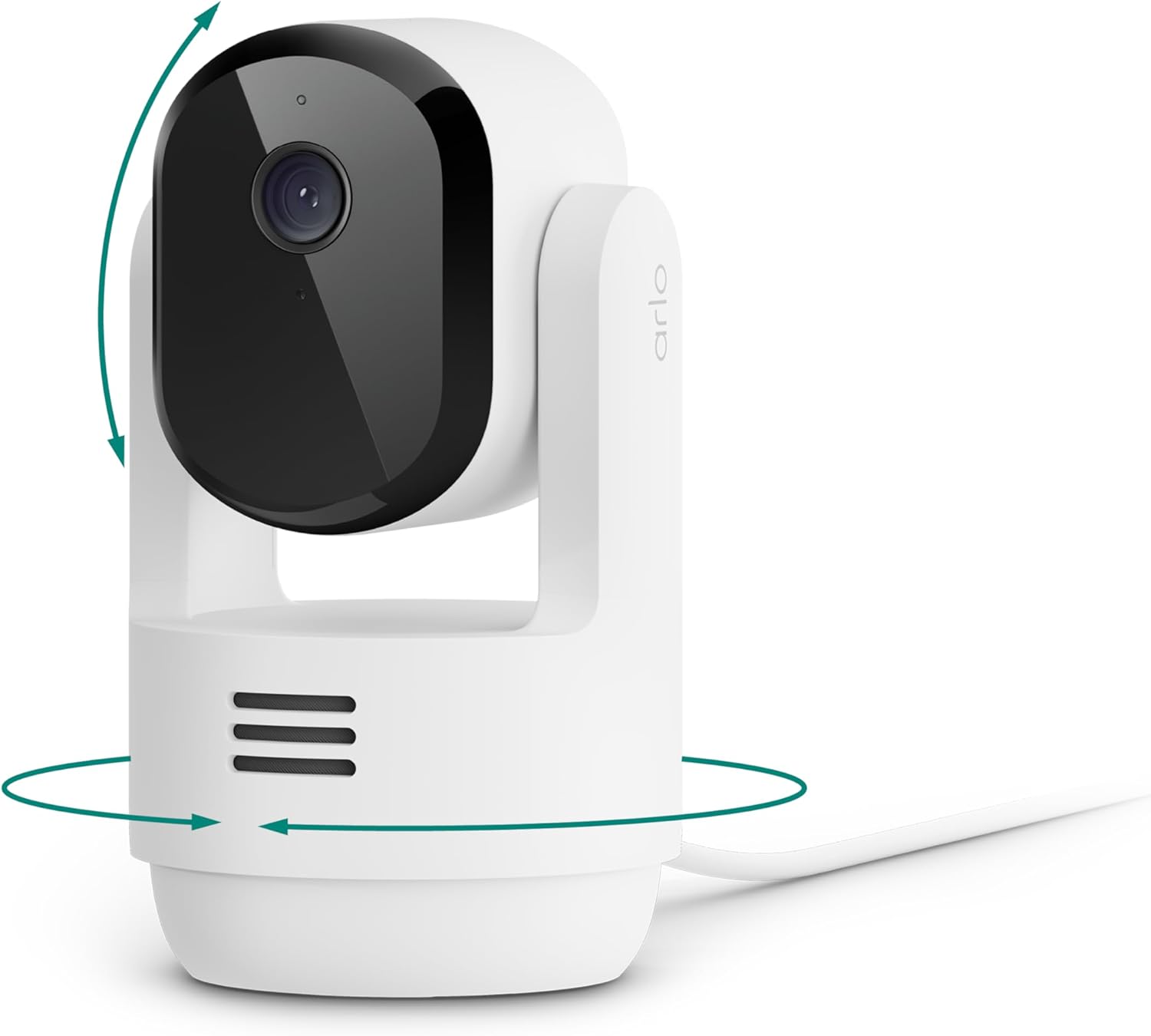
- Pan/tilt or a wide field of view so one camera covers basking spot, hide, and water dish.
- Color or starlight night vision so you can confirm your dragon is settled after lights-out (and that no overnight heat source is glowing red when it shouldn't).
- Local storage or no-subscription cloud, because reptile keepers tend to record long timelapses for shed and brumation tracking.
Note: a camera does not replace a digital probe thermometer or a Solarmeter 6.5 UV index reading. It supplements them by letting you see behavior — a dragon that has moved off the basking spot when temps look correct on the probe is telling you something the thermometer cannot.
Quick comparison: 4 cameras for a bearded dragon vivarium
| Camera | Resolution | Pan/Tilt | Night Vision | Subscription needed? | Best for |
|---|---|---|---|---|---|
| eufy Indoor Cam E30 | 4K | Yes (360° pan, 70° tilt) | Color + IR | No — local microSD | Best overall, large 4x3 enclosures |
| Tapo 2K Pan/Tilt | 2K | Yes (360° / 114°) | Color + IR | No — local microSD | Best budget pan/tilt |
| Blink Mini 2K+ | 2K | No (fixed) | IR only | Optional (Alexa works free) | Cheapest reliable side-view |
| Ring Indoor Cam | 1080p | No (fixed) | IR only | Yes for recording | Existing Ring households |
The 4 best pet cameras for monitoring bearded dragon basking behavior in 2026
1. eufy Security 4K Indoor Camera E30 — best overall
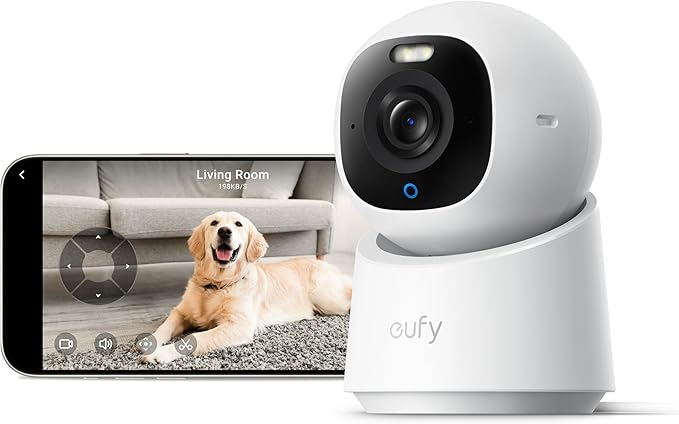
The eufy E30 is the camera I would put on a 120-gallon bearded dragon enclosure if budget allowed. The 4K sensor means you can crop into just the basking platform on your phone and still see whether your dragon's eyes are open, whether the dewlap is puffed, and whether the mouth is gaping (a normal thermoregulation behavior, not distress, as long as the basking surface temp is in range). The 360° pan and 70° tilt let one camera sweep from basking ledge down to cool-side hide without you needing a second unit. Critically for reptile keepers, eufy stores recordings locally on microSD with no required subscription, so you can keep weeks of timelapse covering a shed cycle or pre-brumation slowdown. AI tracking is designed for people and dogs and will mostly ignore a stationary lizard, which is actually fine — you want manual control, not false alerts every time the dragon blinks.
Check the eufy E30 4K Indoor Camera on Amazon
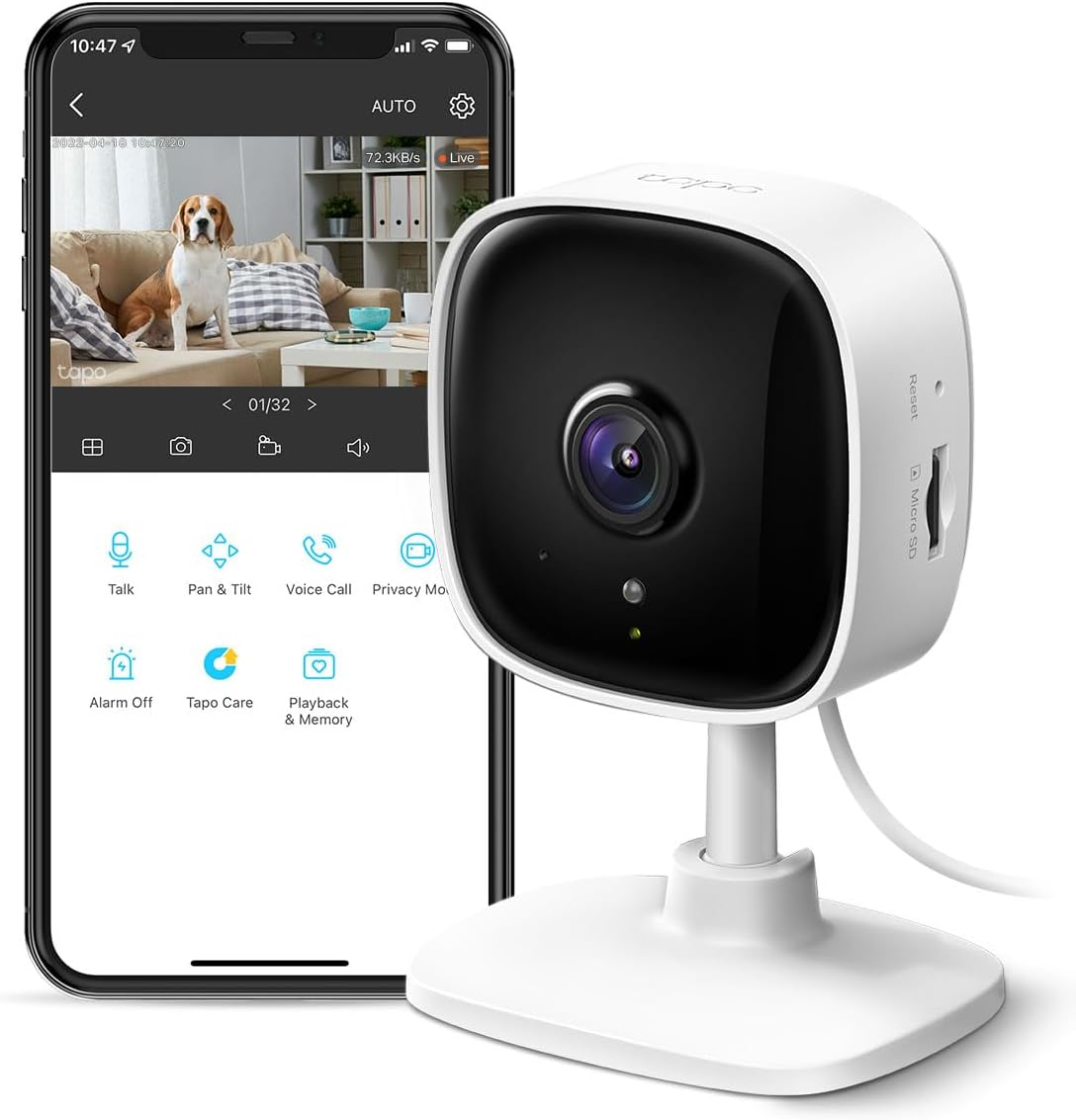
2. Tapo 2K Indoor Pan/Tilt — best budget pan/tilt
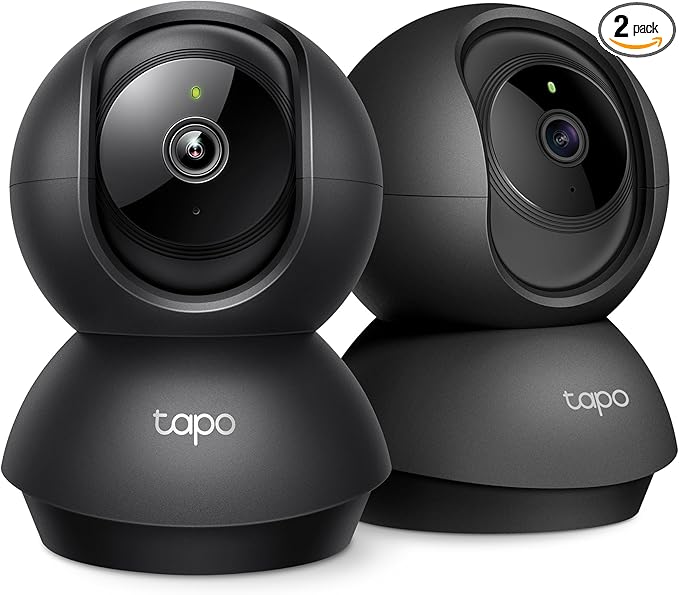
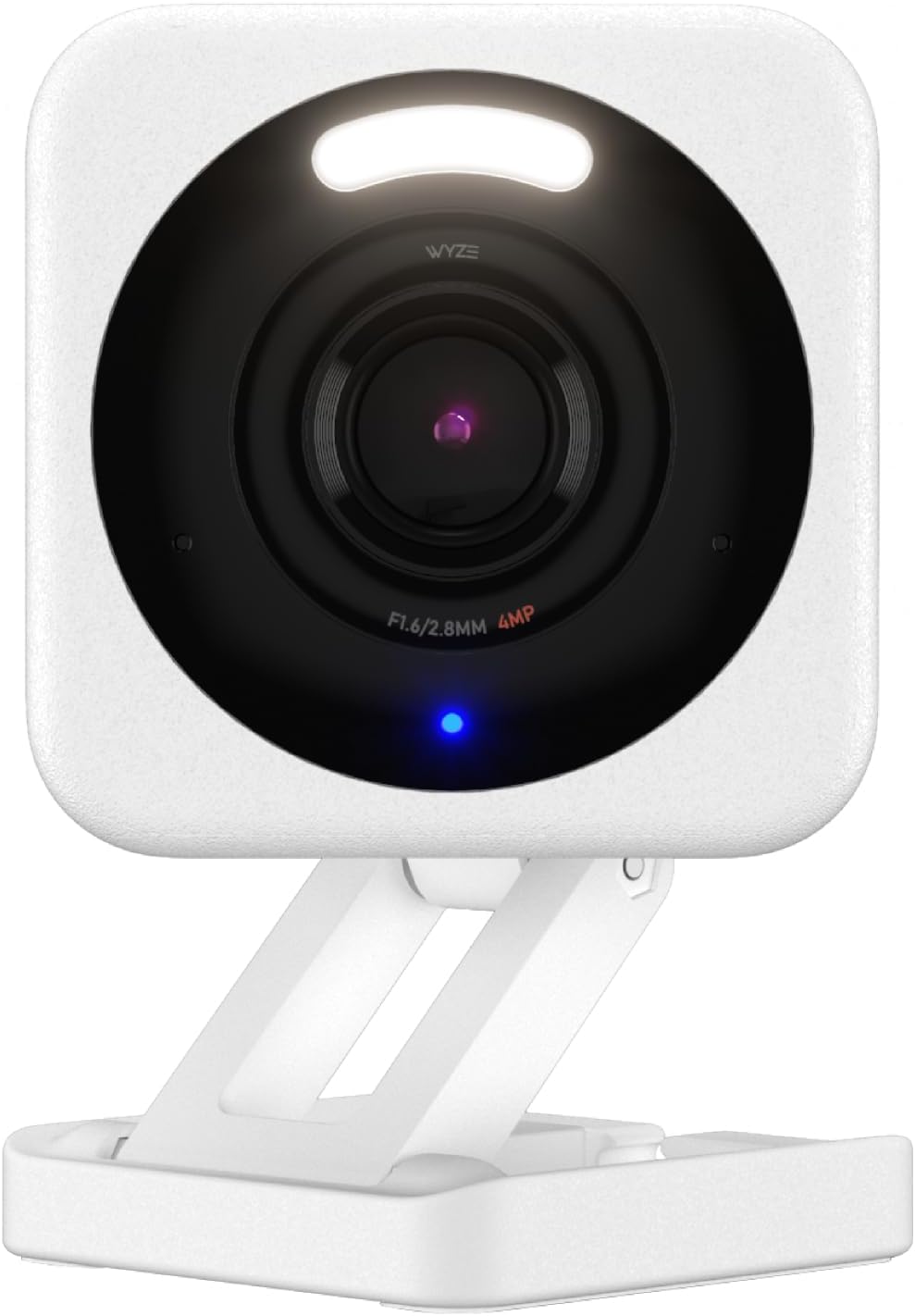
The Tapo C225-class 2K pan/tilt is the camera most reptile-forum users actually run, and for good reason: it is roughly a third the price of the eufy, supports microSD recording with no subscription, and the pan/tilt is genuinely useful when your dragon decides to glass-surf at the far end of the tank. 2K is enough to read posture and gaping at the basking spot from across a small room. The starlight color night vision is a nice bonus for confirming your beardie has tucked into the hide after the lights drop. Two caveats worth knowing: the auto-tracking can get fooled by the moving shadow of a swaying basking branch, so I leave it off and pan manually from the app; and the IR LEDs are visible red to you but invisible to the dragon's spectrum, so they will not disturb sleep.
See the Tapo 2K Pan/Tilt Camera on Amazon
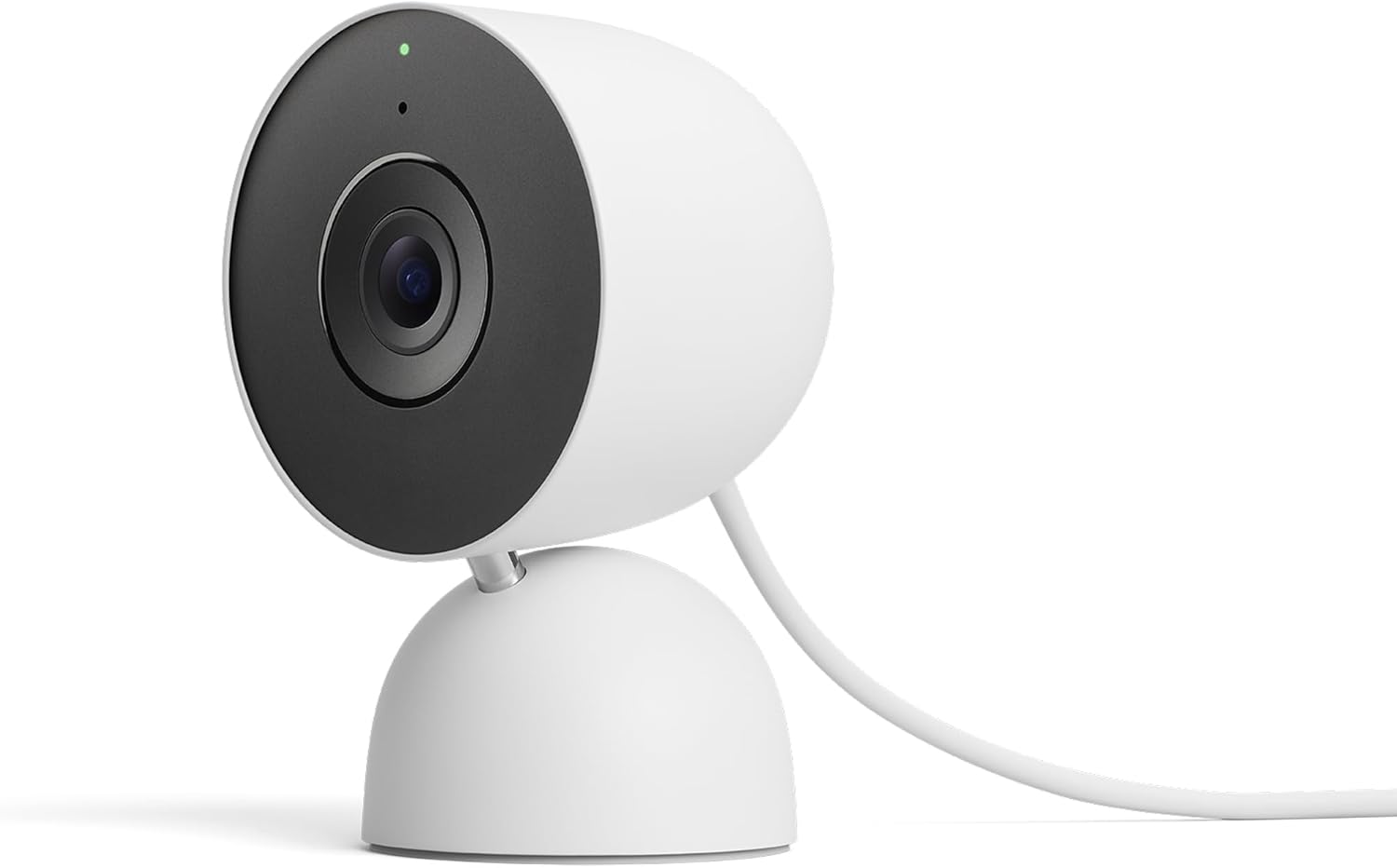
3. Blink Mini 2K+ — cheapest reliable side view
The Blink Mini 2K+ is a fixed plug-in cam that excels as a second camera covering the cool end, the water dish, or a feeding ledge while a pan/tilt cam handles the basking zone. The 2K sensor is a real upgrade over the original 1080p Mini and it pulls noticeably more detail when your dragon is on a textured background like coco-fiber substrate. It does not have pan/tilt, so you must mount it where the field of view already includes what you want to watch. Pairs cleanly with Alexa for free live view on an Echo Show, which is the cheapest way to put a permanent monitor next to your desk without a subscription. Skip it as a primary cam in a 4-foot vivarium — you will wish you had pan.
View the Blink Mini 2K+ on Amazon
4. Ring Indoor Cam (1080p) — only if you already live in Ring
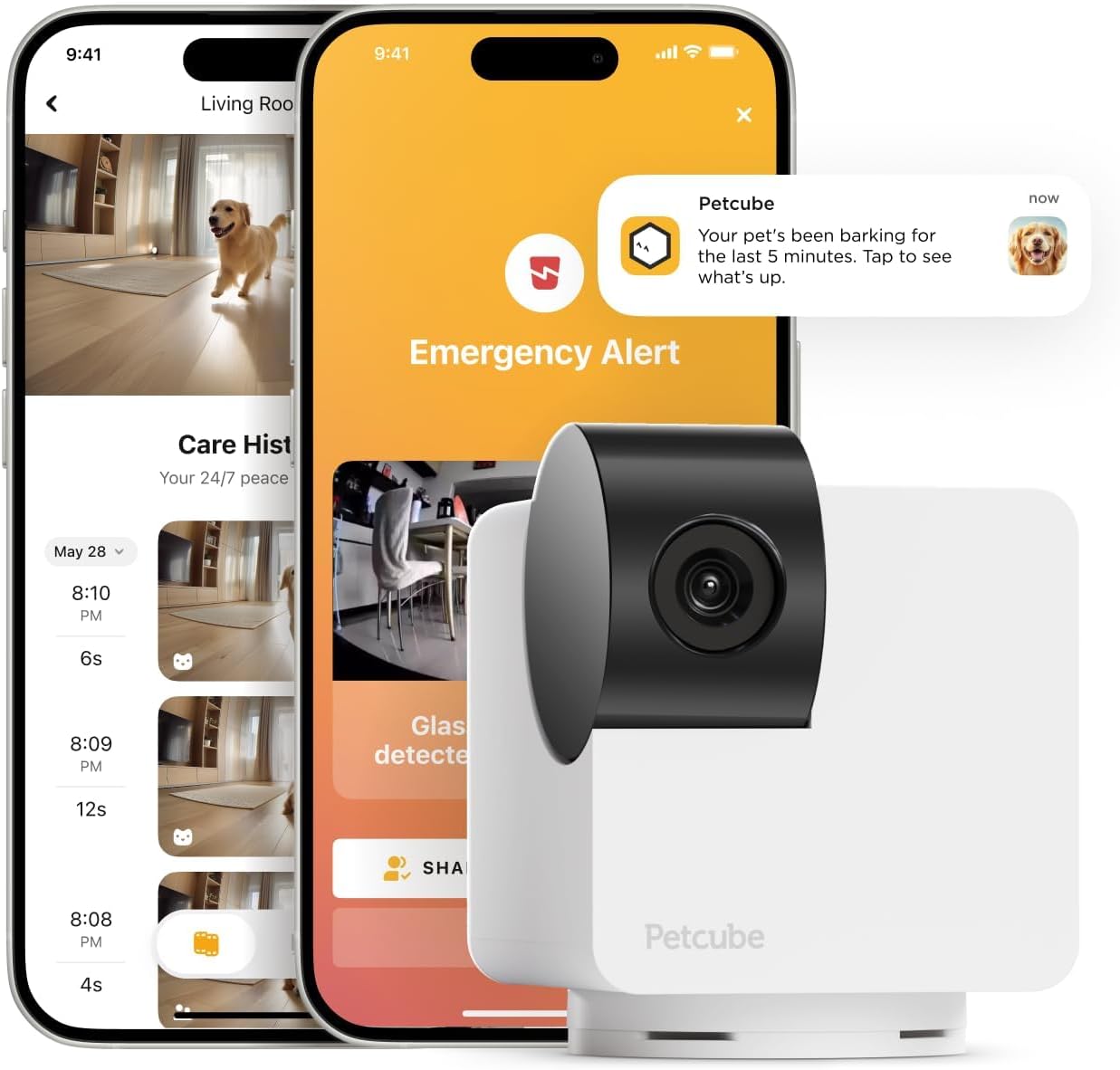
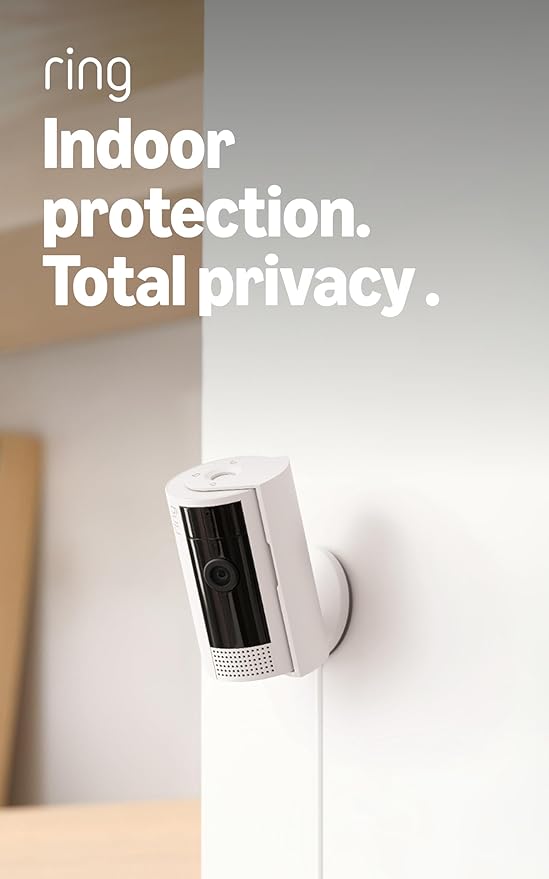
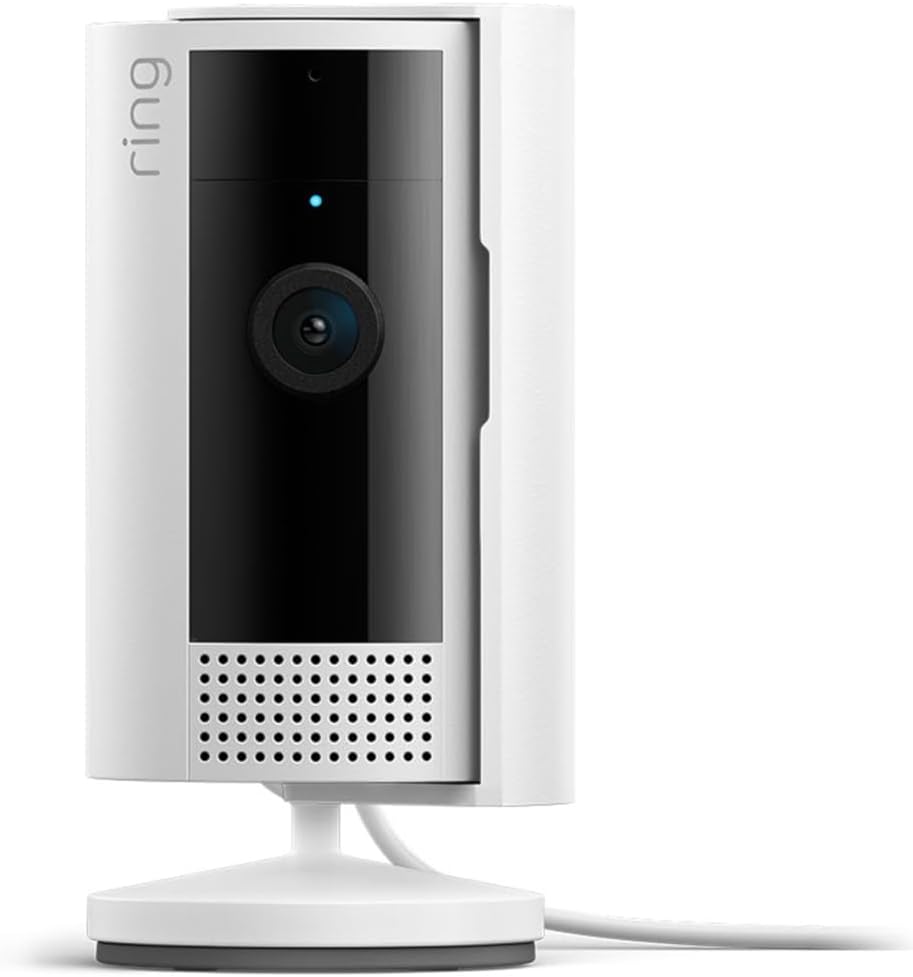
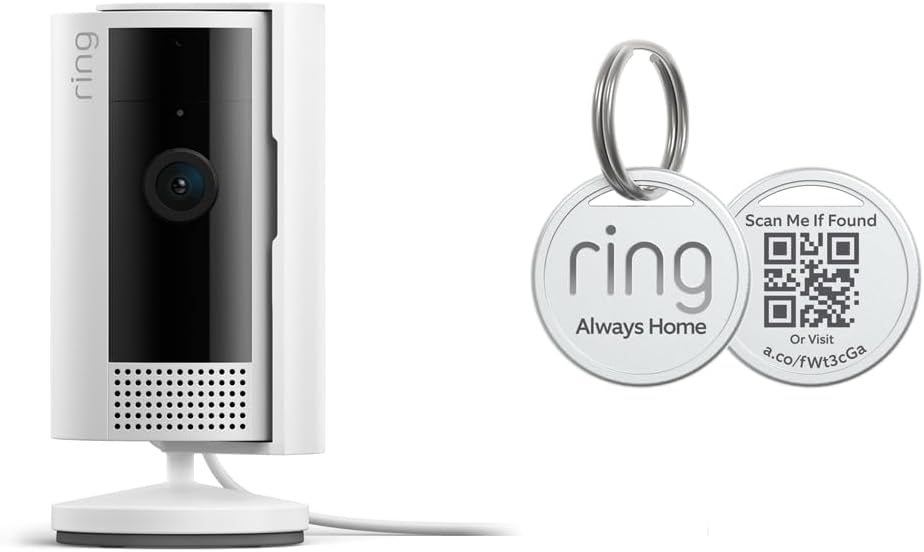
The Ring Indoor Cam is a solid 1080p plug-in camera, but in 2026 it is the weakest of these four for reptile monitoring: 1080p limits how far you can digitally zoom on a 10–18 inch animal, there is no pan/tilt, and meaningful recording requires a Ring Home subscription. Where it does make sense is when you already own a Ring doorbell and other Ring cams — having the vivarium feed live in the same app you check ten times a day means you will actually watch it, and the privacy shutter is genuinely useful when you want the lens covered during cage cleaning.
Check the Ring Indoor Cam on Amazon
How to position the camera around a UVB and basking setup
Most failed reptile-cam installs come down to bad placement, not a bad camera. A few rules:
- Never mount the camera inside the enclosure. Basking-zone humidity and 100°F+ surface temperatures will kill consumer electronics. Mount outside, looking through the front or side glass.
- Angle down, not up, into the basking lamp. Pointing the lens directly at the UVB or halogen bulb will permanently bloom the sensor and obliterate exposure on the rest of the frame.
- Kill reflections with a hood. A small strip of matte black foam-core taped above the lens stops your living-room lights from bouncing off the glass back into the image.
- Frame the whole thermal gradient. You want basking spot, mid-tank, and cool hide all visible so you can see where your dragon chooses to be — that is the single most useful husbandry signal a camera gives you.
- Keep the cam on the same Wi-Fi band (2.4 GHz for most of these) and within line of sight of the router; reptile rooms tucked at the back of a house are notorious dead spots.
For more on positioning, see our guide to camera placement on glass enclosures and our comparison of no-subscription pet cameras for 2026.
What good basking behavior looks like on camera
A healthy adult beardie under proper UVB will:
- Climb onto the basking platform within 30–60 minutes of lights-on and stay flat against it, often with one or both forelegs lifted.
- Open the mouth (gape) periodically once core temp is reached — normal cooling, not panic.
- Move off to the cool side after 1–3 hours, drink, defecate, or hunt.
- Show a bright dorsal pattern and clear eyes; closed eyes during the day with a sunken appearance can indicate dehydration or a UVB bulb that has dropped below useful output.
If the camera shows your dragon constantly off basking, glass-surfing at the front, or sleeping under the basking lamp during shed when temps are right, it is usually a UVB-quality or temperature problem the camera surfaced before a thermometer would. See our husbandry warning signs guide for what to do next.
Frequently Asked Questions
Can a pet camera actually measure UVB or basking temperature?
No. Consumer pet cameras read visible light, not UV radiation or surface temperature. You still need a Solarmeter 6.5 for UV index and a digital probe or IR temp gun for the basking surface. What the camera does is let you see whether the lamp is on, whether the dragon is using the basking spot, and whether posture and gaping look normal — the behavioral half of the husbandry equation.
Will the camera's IR night vision disturb my bearded dragon at night?
No. The 850 nm and 940 nm IR LEDs used in cameras like the eufy E30, Tapo, and Blink Mini 2K+ are well outside the wavelengths bearded dragons see. Just make sure you are not running a red or white "night-vision" heat lamp — those do disturb sleep and are no longer recommended husbandry. Drop nighttime ambient temps to 65–75°F and let the room provide thermal floor.
Do I need a 4K camera or is 2K enough for a 4-foot vivarium?
2K is enough for most 36–48 inch enclosures if you mount the camera within 6–8 feet of the glass. 4K only pays off when you want to crop heavily into the basking spot — useful in larger 6-foot custom enclosures or when monitoring a juvenile beardie that is small in the frame. The eufy E30 is the 4K pick; the Tapo 2K is the value pick.
Can I get alerts when my bearded dragon comes out to bask?
Sort of. Most pet cams have motion zones you can draw around the basking spot, and a slow-moving lizard will eventually trigger them, but reptile motion is too subtle for reliable AI detection — these models are trained on humans and dogs. Use the live feed and timelapse recording rather than relying on push alerts. The Tapo and eufy both support scheduled motion recording, which is a better fit than person-detection alerts.
Is there a no-subscription pet camera that works for reptile keepers?
Yes — the eufy Indoor Cam E30 and the Tapo 2K Pan/Tilt both record to a local microSD card with no monthly fee, which is what most reptile keepers want for long-term timelapse. The Blink Mini 2K+ works free with Alexa for live view but needs Blink Subscription Plus for cloud recording. The Ring Indoor Cam essentially requires a Ring Home subscription to be useful.
How do I stop the basking lamp from blowing out the image?
Three things help: turn on the camera's HDR or WDR setting (eufy and Tapo both have it), aim the lens slightly downward so the bulb is above the frame, and increase the exposure compensation by -1 to -2 stops in the app. If the camera supports manual exposure (Tapo does in advanced settings), lock it for daytime basking conditions rather than letting auto-exposure hunt.
Can I use one camera for a bearded dragon and a dog or cat in another room?
Yes — all four cameras here support multi-camera setups in the same app. The Blink Mini 2K+ and Ring share an app if you are an Amazon household; eufy and Tapo each have their own. For mixed reptile + mammal households, eufy's no-subscription model is the most economical when you scale to 3–4 cameras.
The verdict
For a serious bearded dragon keeper in 2026, the eufy Indoor Cam E30 is the best pet camera for bearded dragon UVB basking monitoring thanks to 4K resolution, real pan/tilt, and local storage with no subscription. If budget is tight, the Tapo 2K Pan/Tilt gives you 80% of the experience for roughly a third of the price, and the Blink Mini 2K+ is the right second camera for covering the cool side or water dish. Skip the Ring Indoor Cam unless you are already deep in the Ring ecosystem. Pair whichever camera you pick with a proper UV index reading and a probe thermometer — the camera is for behavior, the meters are for safety.
Key Takeaways
- Choosing the right pet camera for bearded dragon UVB basking monitoring means matching capacity and output ports to your actual devices
- Always check actual watt-hours (Wh), not just watts — runtime depends on Wh, not peak output
- Also covers: bearded dragon enclosure camera
- Also covers: reptile basking spot monitor
- Also covers: UVB lamp temperature pet cam
- Compare price-per-Wh across models to find the best value for your budget