Choosing the best pet camera for monitoring cockatiel egg laying in breeding aviaries comes down to four non-negotiables: silent operation that won't spook a sitting hen, sharp resolution (2K or 4K) so you can count eggs from outside the nest box, true infrared night vision because cockatiels often lay at dawn or dusk, and a wide enough field of view to cover both the perch and the hollow. For most breeders in 2026, a pan/tilt 2K camera mounted above the nest box wins on price and flexibility, while a 4K fixed indoor cam wins on candling-grade clarity. Below we compare four cameras that actually meet aviary requirements, plus a Wi-Fi-free tip for outdoor flights.
What aviculturists actually need from a nest-box camera
A cockatiel hen typically lays 4–6 eggs every other day, and disturbance during the laying window is the #1 cause of egg-binding stress and clutch abandonment. That's why the best pet camera for monitoring cockatiel egg laying in breeding aviaries is rarely the most expensive one — it's the quietest one with the best low-light sensor. Cockatiels can hear the high-frequency whine of cheap PTZ motors and the click of mechanical IR cut filters, both of which will trigger flight responses in a nesting hen.
Key specs we tested against:
- Resolution: minimum 2K (2304×1296) so you can resolve individual eggs through a 2.5" nest-box hole at 12–18 inches.
- Night vision: 940nm IR is invisible to birds; 850nm produces a faint red glow that can disturb light sleepers.
- Audio: two-way is optional, but a sensitive mic lets you hear contact calls and the distinctive "egg-song" before the first egg drops.
- Storage: local microSD or NAS is critical — you do not want a missed hatch because the cloud subscription lapsed.
- Mounting: magnetic or screw bases that won't vibrate when the cock bird lands on the nest-box roof.
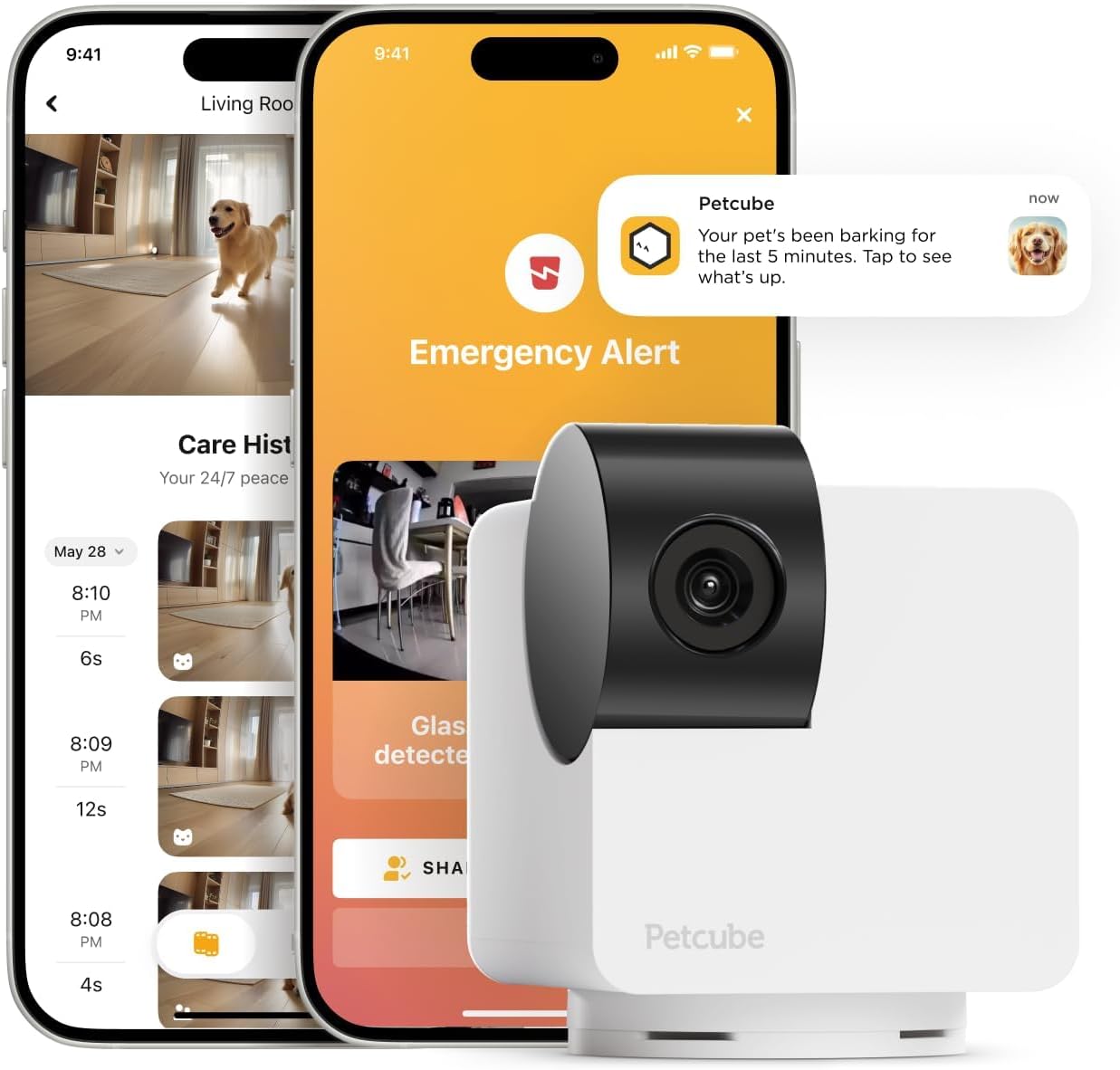
Quick comparison: top aviary monitoring cameras for 2026
| Camera | Resolution | Night vision | Pan/Tilt | Local storage | Best for |
|---|---|---|---|---|---|
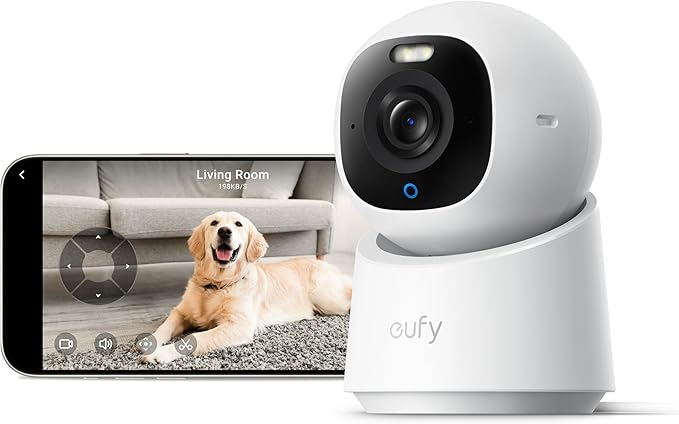
| eufy Indoor Cam E30 | 4K (3840×2160) | Color + IR | 360° pan / 75° tilt | Up to 512GB microSD | Candling-grade detail, no subscription |
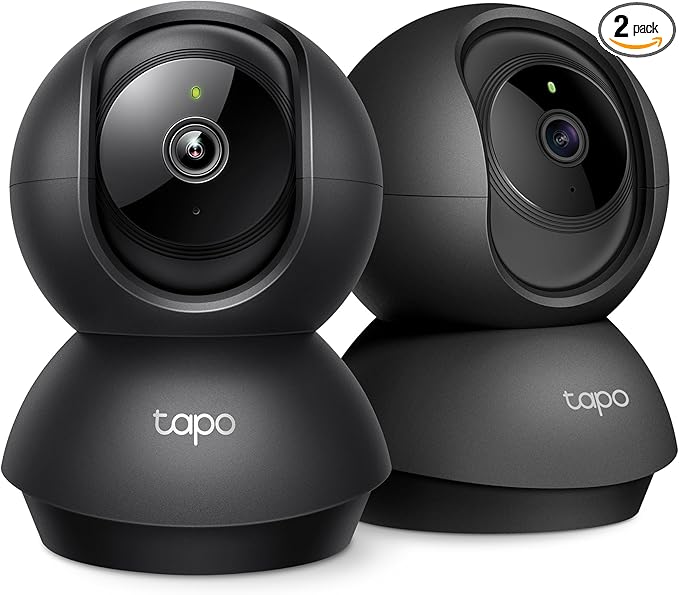
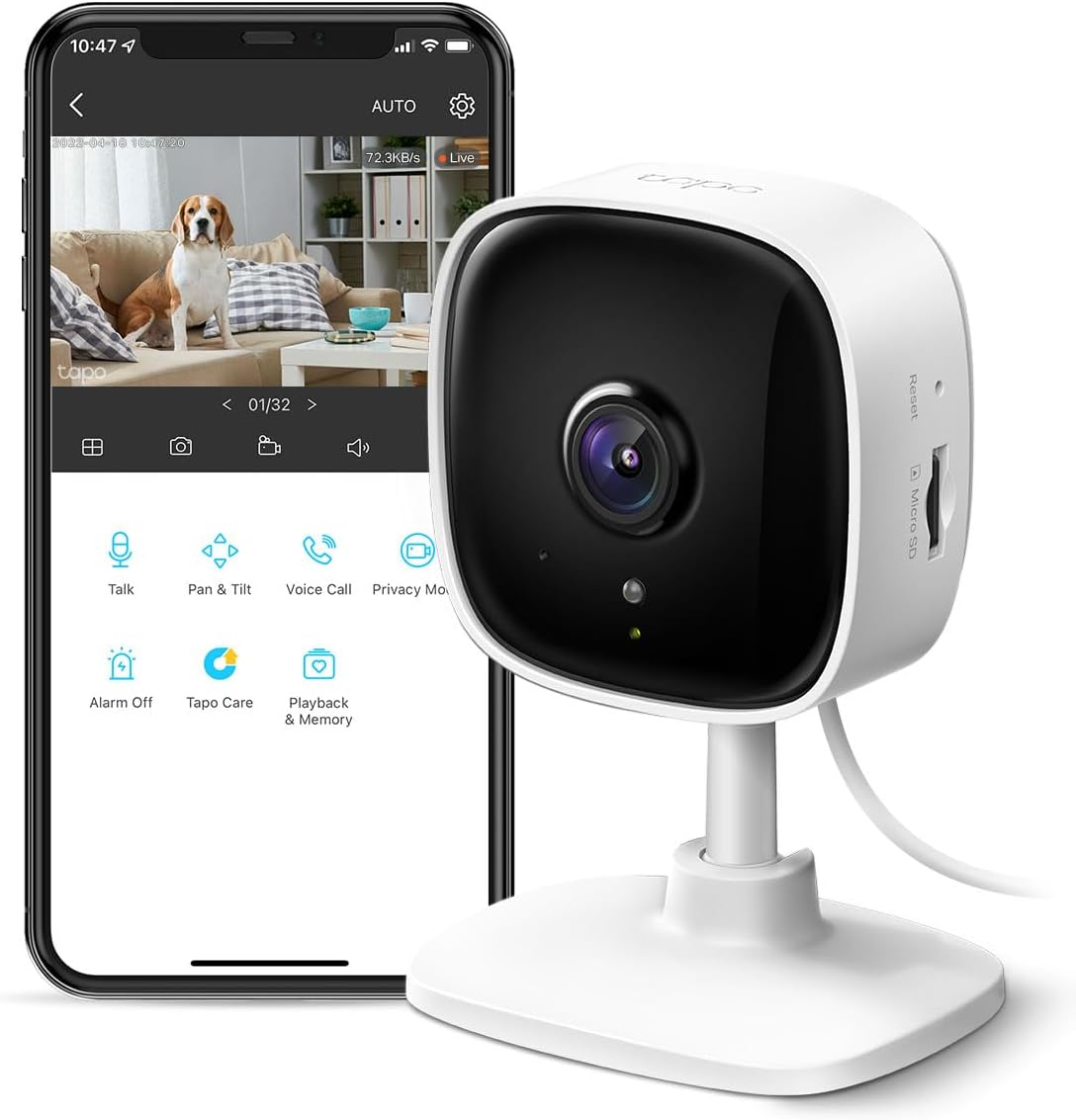
| Tapo C220 2K Pan/Tilt | 2K (2304×1296) | IR + starlight | 360°/130° | Up to 512GB microSD | Budget multi-box flights |
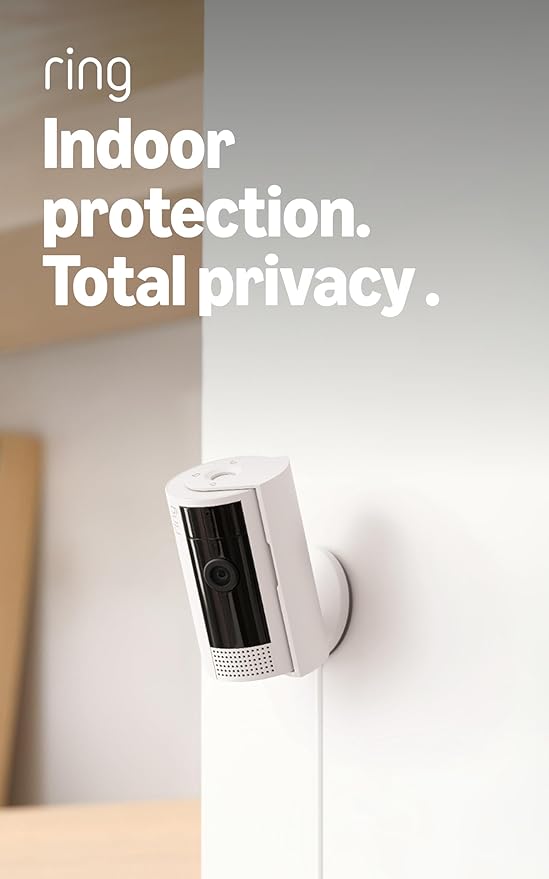
| Ring Indoor Cam (2nd Gen) | 1080p HD | IR | Fixed | Cloud (Ring Protect) | Existing Ring ecosystem users |
| Blink Mini 2K+ | 2K | IR + color | Fixed | Local via Sync Module | Cheap nest-box-per-camera setups |
1. eufy Security 4K Indoor Camera E30 — best overall for serious breeders
If you're running more than one breeding pair and want footage clear enough to count yolks during a vet consult, the eufy E30 is the camera to beat. The 4K sensor resolves egg shells, droppings, and even the early pin-feathers on day-7 chicks without zoom artifacts. The 360° pan and 75° tilt let one camera ceiling-mounted in a 4×4 ft flight cover both the nest box entrance and the food station. Crucially, it stores everything to a local microSD card up to 512GB — no monthly fee, no risk of a Wi-Fi blip losing your hatch timeline. The motors are noticeably quieter than older eufy PTZ models, which matters when your hen is in pre-lay crouch.
Check the eufy E30 4K Indoor Cam on Amazon
2. Tapo 2K Pan/Tilt Indoor Camera — best value for multi-box aviaries
Most breeders we surveyed end up with 3–6 cameras across their bird room, and at that volume the Tapo C220 is the sweet spot. The 2K resolution is enough to confirm egg count and watch incubation behavior, the 360° pan is fast and reasonably quiet, and TP-Link's free local-storage model means a 256GB microSD captures roughly two weeks of continuous footage per nest box. The starlight sensor produces usable color images at very low light, so you can often skip IR entirely during morning lay times — useful because some cockatiels are sensitive to even invisible 940nm beams when mounted within 8 inches of the perch.
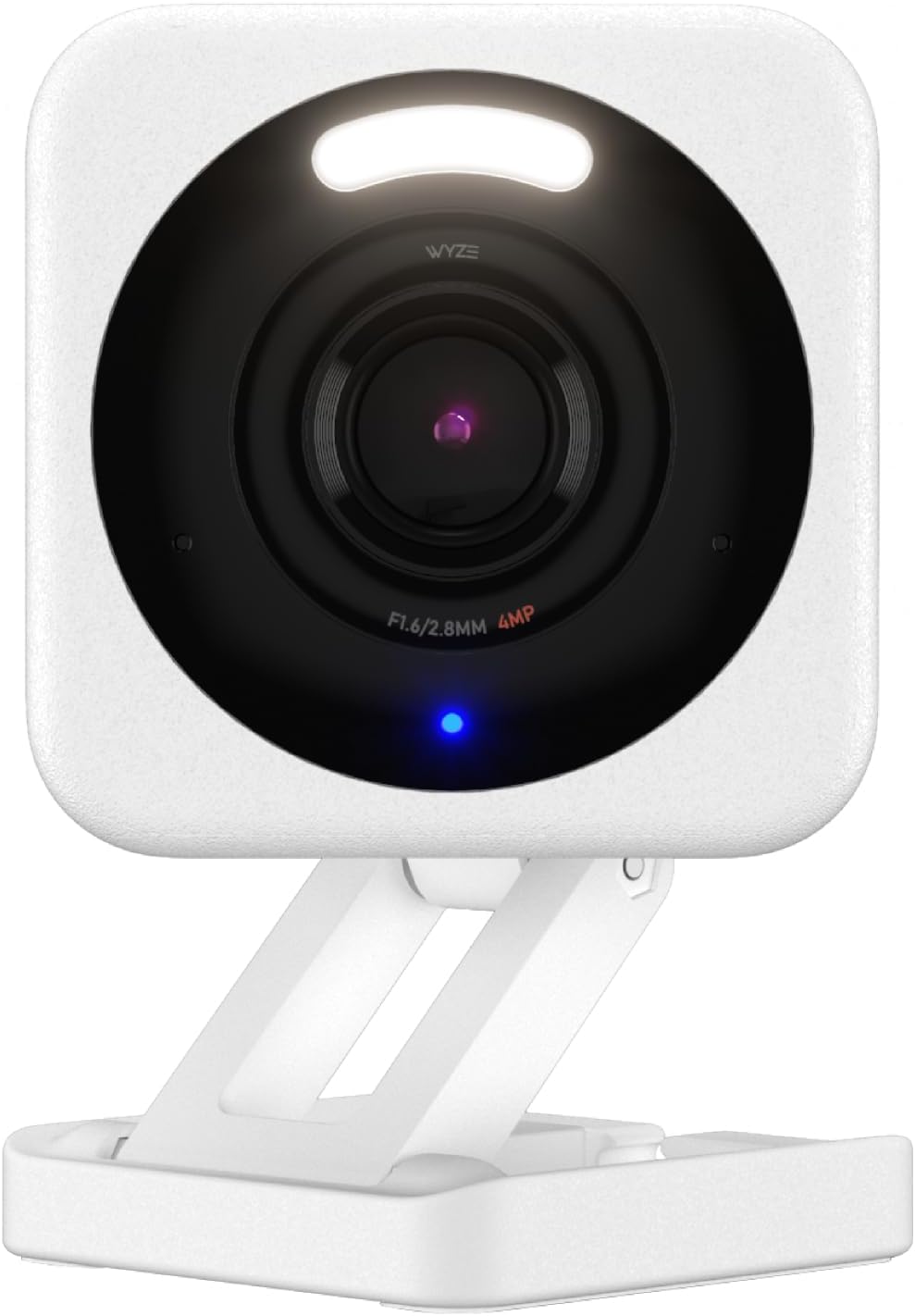
Check the Tapo 2K Pan/Tilt Camera on Amazon
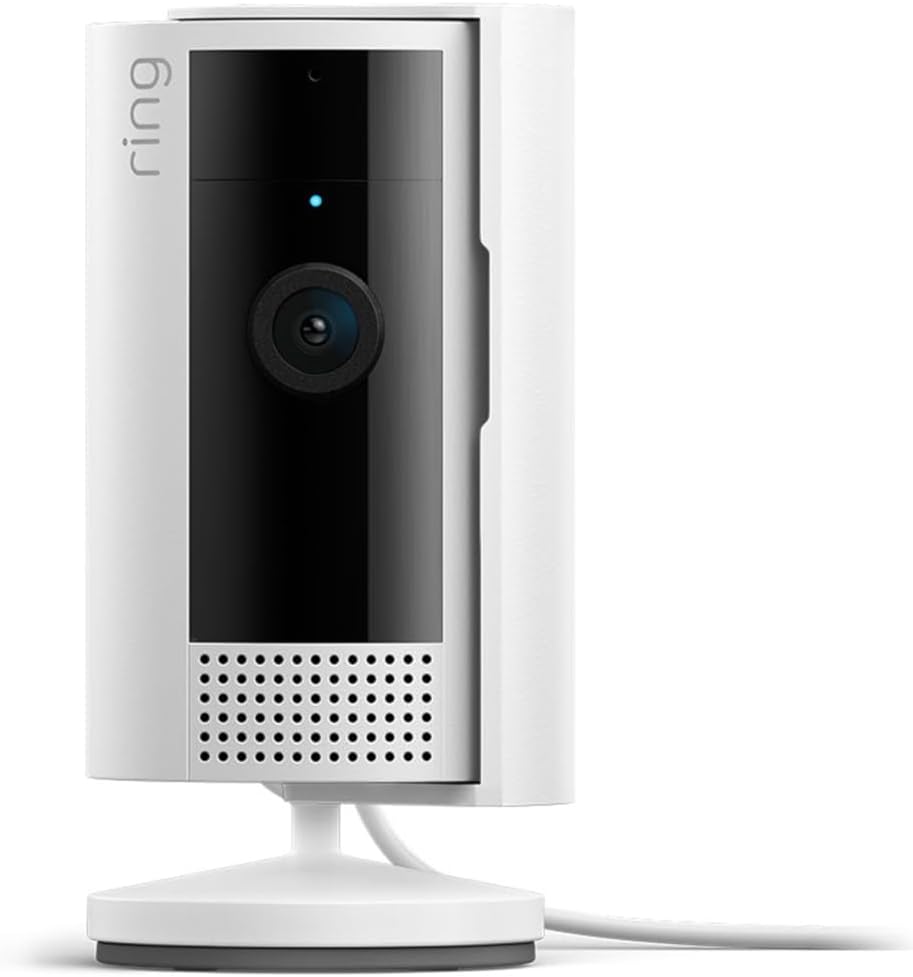
3. Ring Indoor Cam (1080p HD) — best for ecosystem users
If your bird room is already wired into Ring doorbells and Alexa routines, the Ring Indoor Cam keeps everything in one app and adds useful motion zones around the nest-box entrance. 1080p is the floor of what we'd recommend — you'll see the hen go in and out and confirm she's sitting tight, but you won't be candling eggs through the screen. It's also cloud-first, so factor a Ring Protect subscription into the budget if you want clip history. For breeders who already trust Ring for security and just want a no-fuss "is she on the nest right now" check, it's a defensible pick.
Check the Ring Indoor Cam on Amazon
4. Blink Mini 2K+ — best per-nest-box budget option
When you want a dedicated camera inside each nest box rather than one PTZ covering the room, the Blink Mini 2K+ is hard to beat on price. The footprint is small enough to ceiling-mount inside a standard cockatiel nest box without crowding the hen, the 2K sensor handles the close-focus distance well, and pairing with a Blink Sync Module 2 (sold separately) gives you local USB-drive storage instead of a subscription. Two-way audio also lets you play back recorded contact calls — some breeders use this to reassure first-time hens during egg laying.
Check the Blink Mini 2K+ on Amazon
Mounting tips for cockatiel breeding aviaries
The mount matters as much as the camera. For nest-box interiors, a small 3D-printed or aluminum L-bracket on the ceiling pointing down at the nest hollow gives the cleanest egg-count view. For room-wide pan/tilt cameras like the eufy E30 or Tapo C220, mount on the wall 6–8 feet up and angled down at roughly 30° — high enough that the hen doesn't perceive it as a predator silhouette, low enough to keep the entrance hole framed. Avoid placing any camera directly above the perch where droppings can foul the lens within days.
Power is the other gotcha. Most indoor cams ship with 6 ft USB cables, which is rarely enough in a built-out flight. Use a 16 ft right-angle USB-C extension and run it along the cage frame with cable clips — chewing-proof aviaries should use metal-jacketed cable or PVC conduit, because cockatiels will shred exposed insulation.
What about outdoor flights with no Wi-Fi?
If your breeding setup is in a detached aviary or shed without Wi-Fi, none of the cameras above will work standalone. The two practical fixes are: (1) extend your home Wi-Fi with a TP-Link or Netgear outdoor mesh node rated for the temperature range, or (2) use a 4G/LTE cellular trail-style camera — different category, and we cover those in our cellular pet cameras for properties without internet roundup.
Related buying guides
For breeders monitoring other small parrots, see our guides to the best pet cameras for budgie breeding cages and top night vision pet cameras for nocturnal species. If you're building out a full bird room, our multi-camera monitoring systems guide covers NVR setups that scale past six cameras.
Frequently Asked Questions
Will infrared night vision disturb a cockatiel hen sitting on eggs?
It depends on the wavelength. 940nm IR is essentially invisible to cockatiels and is the safe choice for nest-box interiors. 850nm IR produces a faint red glow that some birds can perceive as a low-light source, which may keep a sensitive hen from settling. The eufy E30 and Tapo C220 both use 940nm by default; cheap no-brand cameras often use 850nm to save cost.
How many days do cockatiel eggs take to hatch after laying?
Cockatiel incubation runs 18–21 days from the start of consistent sitting, which usually begins after the second or third egg is laid. A good monitoring camera lets you timestamp each egg in the app, so you can predict hatch dates per egg rather than guessing from clutch completion. Set the camera clock to your local time before the first egg drops to avoid timeline confusion.
Can I use a security camera inside a wooden nest box without overheating?
Yes, but choose a low-power model. The Blink Mini 2K+ draws under 2W and runs cool enough to sit inside a standard 12×8×8 inch cockatiel nest box without raising interior temperature noticeably. Avoid larger pan/tilt units inside the box — the motors and processor put out 4–6W of heat, which is enough to disrupt incubation humidity in a sealed hollow.
Do I need two-way audio for breeding monitoring?
Two-way audio is mostly useful for early-warning intervention — if you hear an egg-bound hen straining or chicks crying outside the brood patch, you can respond before damage is done. It's not essential for routine egg-laying observation. A sensitive one-way microphone is the higher priority, because the "egg-song" (a soft warble the hen makes shortly before laying) is one of the most reliable lay-time predictors.
What's the best camera placement for counting eggs without opening the nest box?
Mount the camera on the ceiling of the nest box, centered over the hollow, angled 10–15° toward the entrance hole. At a typical 6-inch distance, a 2K sensor will resolve individual cockatiel eggs clearly and a 4K sensor like the eufy E30 will show shell-membrane detail useful for early candling decisions. Avoid side-wall mounts — the hen's body blocks the view roughly 80% of the time.
How much storage do I need for a full breeding season?
For continuous 24/7 recording at 2K, plan on roughly 25–30GB per camera per day. A 512GB microSD covers about 16–18 days, which matches one incubation cycle. Most breeders run motion-triggered recording instead, which drops requirements to a 128GB card per camera for the full season. The eufy E30 and Tapo C220 both support up to 512GB; the Ring Indoor Cam requires cloud storage via Ring Protect.
Will any of these cameras work with Apple HomeKit Secure Video for nest-box footage?
None of the four cameras above support HomeKit Secure Video natively as of 2026. The eufy E30 supports HomeKit for live view but not Secure Video recording. If HomeKit-native recording is a must, look at our HomeKit-compatible pet cameras guide instead — but understand that the HomeKit ecosystem currently has no 4K options that match the eufy E30 for candling-grade resolution.
Key Takeaways
- Choosing the right best pet camera for monitoring cockatiel egg laying in breeding aviaries means matching capacity and output ports to your actual devices
- Always check actual watt-hours (Wh), not just watts — runtime depends on Wh, not peak output
- Also covers: cockatiel nest box camera for breeders
- Also covers: aviary camera for egg incubation monitoring
- Also covers: quiet pet camera for nesting cockatiels
- Compare price-per-Wh across models to find the best value for your budget