Short answer: as of 2026, no consumer pet camera with CO2 sensor reptile room integration ships as a single product, so the best setup pairs a high-resolution indoor pet camera with a standalone Wi-Fi CO2 monitor (like the Aranet4 Home or Airthings View Plus) and routes both into the same smart-home dashboard. The cameras below win on the qualities reptile keepers actually need: clear low-light video for nocturnal species, color night vision for humid, dimly lit rooms, no forced subscriptions, and motion or audio alerts that can trigger a smart ventilation fan or HRV. Below we break down which indoor cameras pair best with CO2 sensors, how to wire them together via Alexa, Google Home, or Home Assistant, and which models hold up in 75-85 °F, 60-80% humidity reptile rooms.
Why no single "pet camera with CO2 sensor reptile room" product exists yet
Reptile keepers searching for a pet camera with CO2 sensor reptile room combo are usually trying to solve two problems at once: visually monitor a ball python, bearded dragon, leopard gecko, monitor lizard, or a rack of breeder tubs while also tracking CO2 buildup from respiration, decomposing substrate, or a poorly ventilated bioactive enclosure. Camera manufacturers — Ring, Blink, Tapo, eufy, Furbo, Wyze, Arlo — have not added NDIR CO2 sensors to indoor cams because the sensor itself costs more than most cameras, and ambient CO2 readings near a camera are useless if the camera is mounted six feet up on a ceiling far from the enclosure.
![Furbo Mini Pet Camera [Subscription Required] Unlock Camera w/Paid Plan: Home Security with Dog & Cat Safety Alerts, 2-Way...](https://petmonly.com/aimg/images/I/71qU483tYPL._AC_SL1500_.jpg)
The right architecture in 2026 is a two-device system: a quality indoor pet camera positioned to see your enclosures, plus a dedicated CO2 sensor placed at enclosure height. You then link both into a routine — for example, "if CO2 above 1,200 ppm, turn on the exhaust fan AND start recording on the pet camera" — through Alexa, Google Home, SmartThings, or Home Assistant. The cameras below are the ones we recommend for that role.
![Furbo 360° Dog Camera + Mini [New Subscription Required at Setup] 2-Camera Bundle Nanny Pro Subscription: Dog Safety & Hom...](https://petmonly.com/aimg/images/I/71XtHB3B+DL._AC_SL1500_.jpg)
Best pet cameras for reptile rooms paired with CO2 monitors (2026)
| Camera | Resolution | Color Night Vision | Pan/Tilt | Subscription Required | Best For |
|---|---|---|---|---|---|
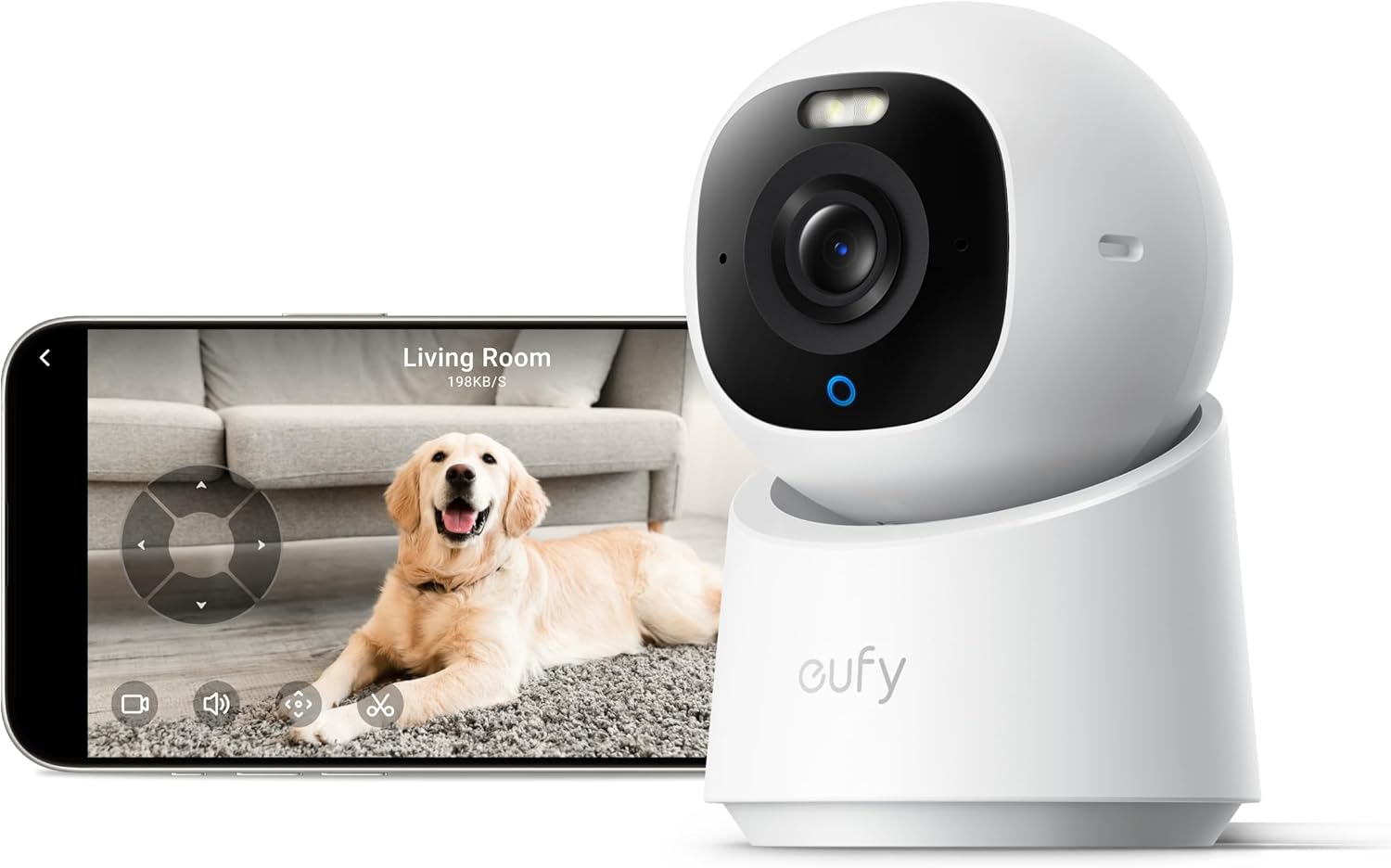
| eufy E30 4K | 4K | Yes | Yes (360°) | No (local storage) | Large reptile rooms, multiple enclosures |
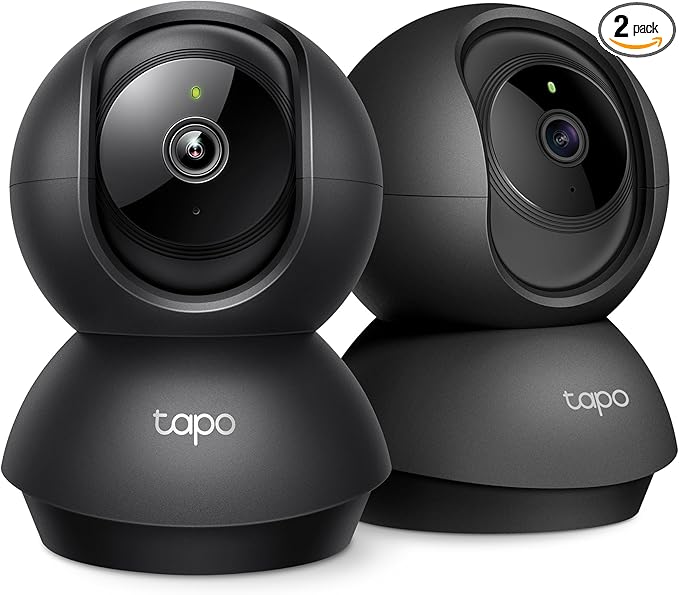
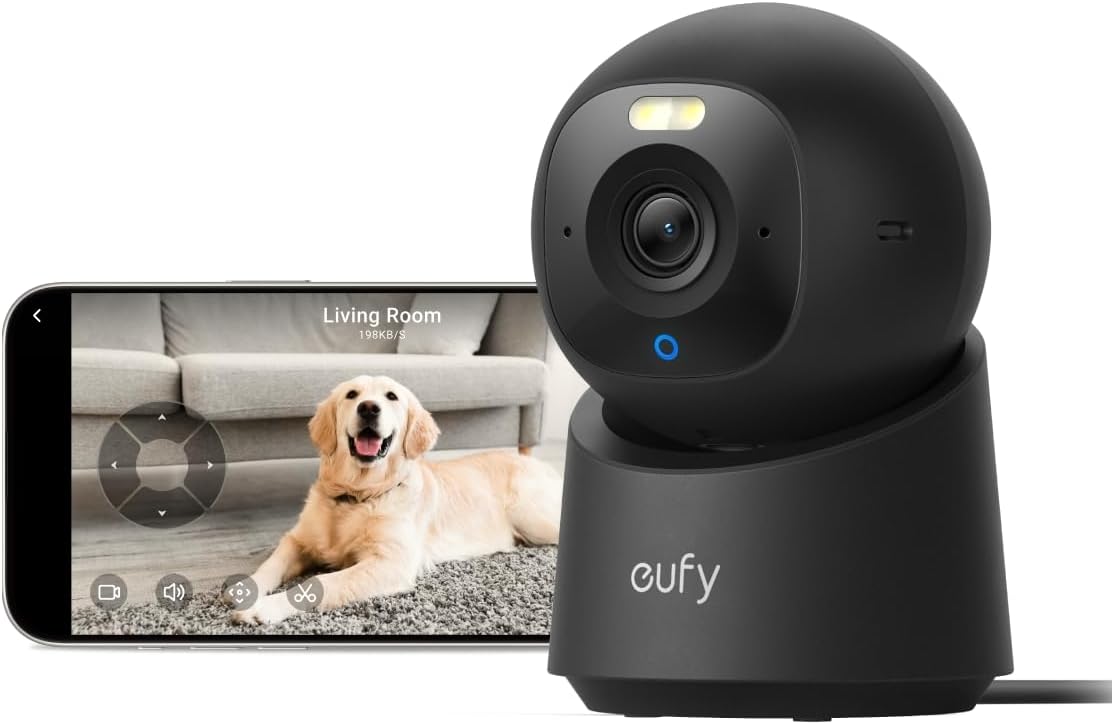
| Tapo C225 2K Pan/Tilt | 2K | Yes | Yes (360°) | No | Budget pan/tilt for racks |
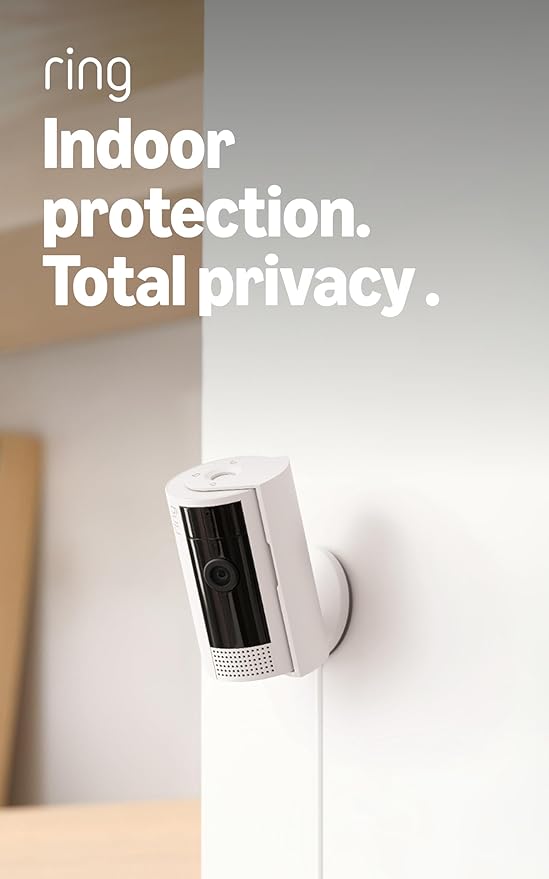
| Ring Indoor Cam (2nd Gen) | 1080p | No (color w/ light) | No | For event history | Alexa + Ring CO2 routines |
| Blink Mini 2K+ | 2K | No | No | Optional | Single enclosure budget pick |
Best overall: eufy Security 4K Indoor Camera E30
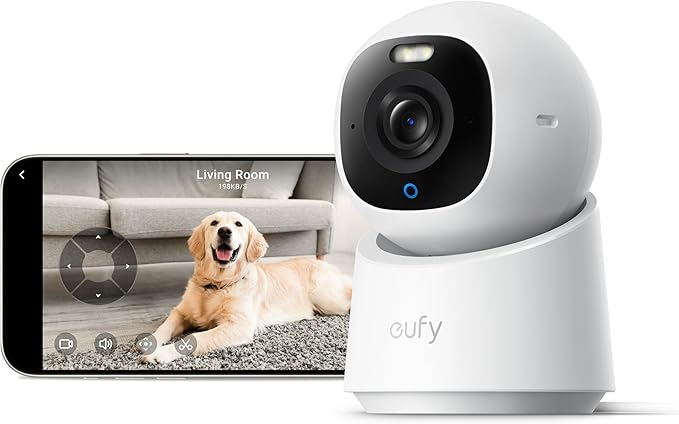
The eufy E30 is the camera we recommend for any serious reptile keeper who wants a single device to cover a wall of enclosures. 4K resolution means you can digitally zoom into a single 40-gallon tank from across the room and still read substrate moisture, see a ball python's breathing rate, or confirm that a leopard gecko is using its cool hide. The 360° pan combined with vertical tilt covers a full wall of racks, and color night vision performs well even with the dim 2% red lighting many keepers use to avoid disturbing nocturnal animals. Critically, the E30 has no mandatory subscription — footage saves to a local microSD card up to 512 GB, which matters for a camera that may record 24/7. It also integrates cleanly with Alexa and Google Home, so you can pair it with an Aranet4 or Airthings CO2 sensor and trigger ventilation routines. Check the eufy E30 4K on Amazon.
Best budget pan/tilt: Tapo 2K Indoor Pan/Tilt Camera
If you have a smaller rack setup or just two or three enclosures and don't want to spend on 4K, the Tapo 2K Pan/Tilt is the best-value pet camera with CO2 sensor reptile room companion in 2026. The 360° pan, 114° tilt, and motion tracking let you sweep a wall of breeder tubs, and 2K resolution is enough to spot a stuck shed or a gecko refusing to leave its warm hide. It supports local microSD storage up to 512 GB, has Alexa and Google Home integration, and the Tapo app lets you draw activity zones around specific enclosures so motion alerts ping only when something moves inside a tank — useful for catching a snake escape from a poorly seated lid. Sound detection is another underrated feature: it can flag the click of an enclosure lid opening or a heat lamp ballast failing. Check the Tapo 2K Pan/Tilt on Amazon.
Best for Alexa-driven CO2 ventilation routines: Ring Indoor Cam
If your CO2 monitor is an Amazon-ecosystem device (the Echo Hub, certain Sengled and Amazon Smart Air Quality Monitor units expose CO2 to Alexa Routines), the Ring Indoor Cam is the most frictionless pairing. Ring's tight Alexa integration means you can build a routine like "when air quality drops below Good, turn on the exhaust fan smart plug AND start a Ring recording" without bridging through Home Assistant. The 1080p footage isn't 4K, but for a fixed wide shot of a single rack or a vivarium it's more than enough. Note that motion event history beyond 30 seconds requires a Ring Protect subscription — for reptile rooms we usually recommend keeping live view free and using the CO2 sensor as the recording trigger. Check the Ring Indoor Cam on Amazon.
Best ultra-budget single enclosure cam: Blink Mini 2K+
For a single bioactive enclosure, breeder tub, or a hatchling rack where you just want a constant live view from your phone, the Blink Mini 2K+ is the cheapest credible option. 2K video is a real upgrade over the original Blink Mini, the plug-in design means you don't worry about battery life, and like Ring it lives inside the Alexa ecosystem for routine triggers. It does not pan or tilt, so plan to mount it directly facing the enclosure. Local storage requires a separate Sync Module 2; without it, clip history needs a Blink subscription. For most reptile keepers buying multiple cameras to cover a room, the eufy or Tapo are better long-term picks. Check the Blink Mini 2K+ on Amazon.
How to actually wire a pet camera with CO2 sensor reptile room setup
The cleanest 2026 architecture looks like this:
- Place a real NDIR CO2 sensor at enclosure height. Aranet4 Home (Bluetooth + optional bridge) and Airthings View Plus (Wi-Fi) are the two most accurate consumer options. Mount one at the level of your largest enclosure, not on the ceiling.
- Set a CO2 threshold. Outdoor air sits around 420 ppm in 2026. Reptile rooms should stay below 1,000 ppm for keeper safety and below ~1,500 ppm to avoid lethargy in the animals. Set your alert threshold at 1,000-1,200 ppm.
- Connect an exhaust fan or HRV to a smart plug. A 4-inch inline duct fan on a TP-Link Kasa or Amazon smart plug works for most hobby rooms.
- Create the routine. In Alexa, Google Home, or Home Assistant: "If CO2 > 1,200 ppm, turn smart plug ON, send phone notification, and start recording on the pet camera."
- Mount the camera to see both the enclosures and the CO2 sensor display. That way, if a routine fires, you can visually confirm whether it's a real ventilation event or a sensor glitch (a curious gecko breathing on the sensor face is more common than you'd think).
For more on environmental monitoring builds, see our companion guide to pet cameras with temperature and humidity sensor integration and our overview of no-subscription pet cameras for 2026.
What to look for in a reptile-room pet camera
- Color night vision or starlight sensor — most reptile rooms run dim red or moonlight bulbs, and IR alone washes out detail.
- Local storage — 24/7 cloud recording for a reptile room is expensive and unnecessary; microSD is fine.
- Humidity tolerance — most indoor cameras are rated for 0-80% RH non-condensing. Don't mount any of them inside a humid vivarium; keep them outside the glass.
- Routine triggers — the camera must be able to start recording on an external trigger (the CO2 alert), not just on its own motion detection.
- Wide field of view — 110°+ for racks, or pan/tilt to cover a wall.
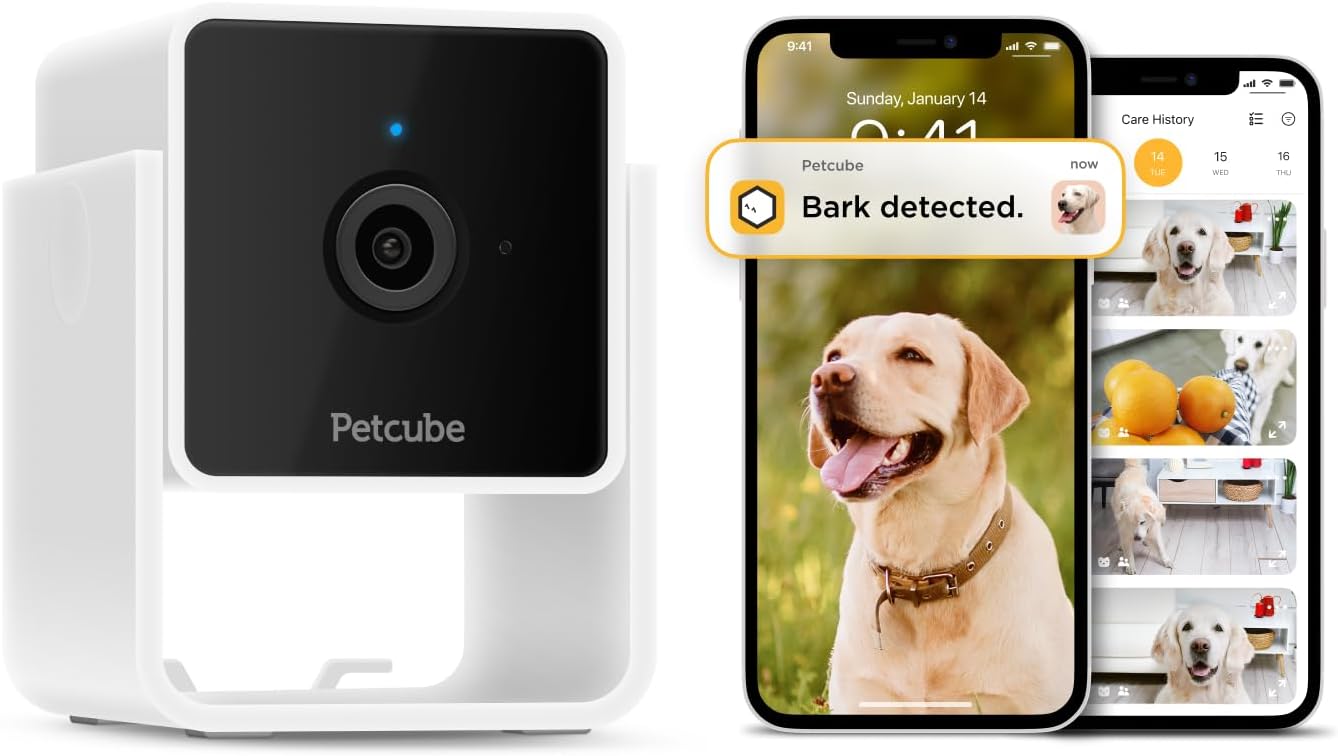
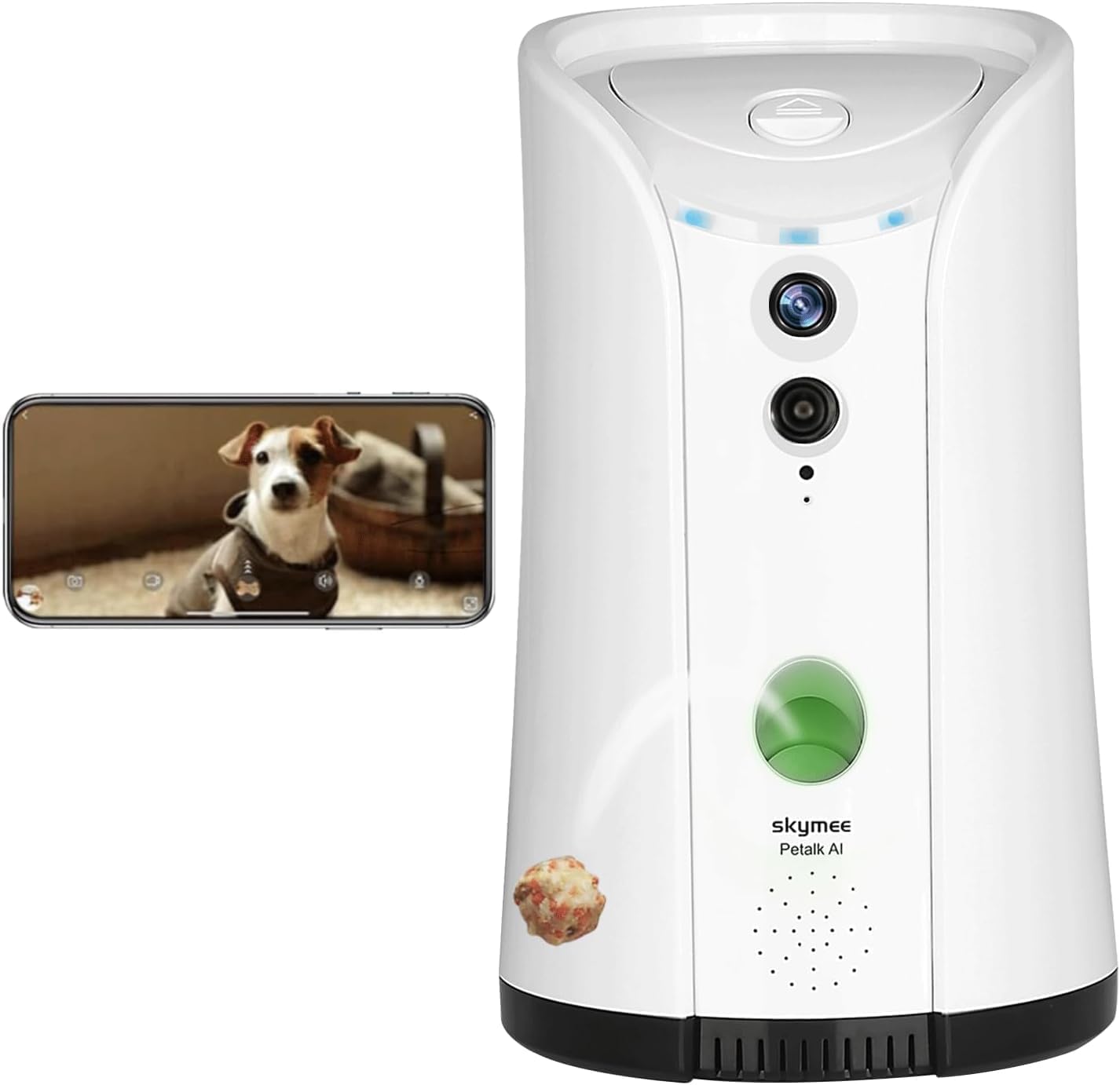
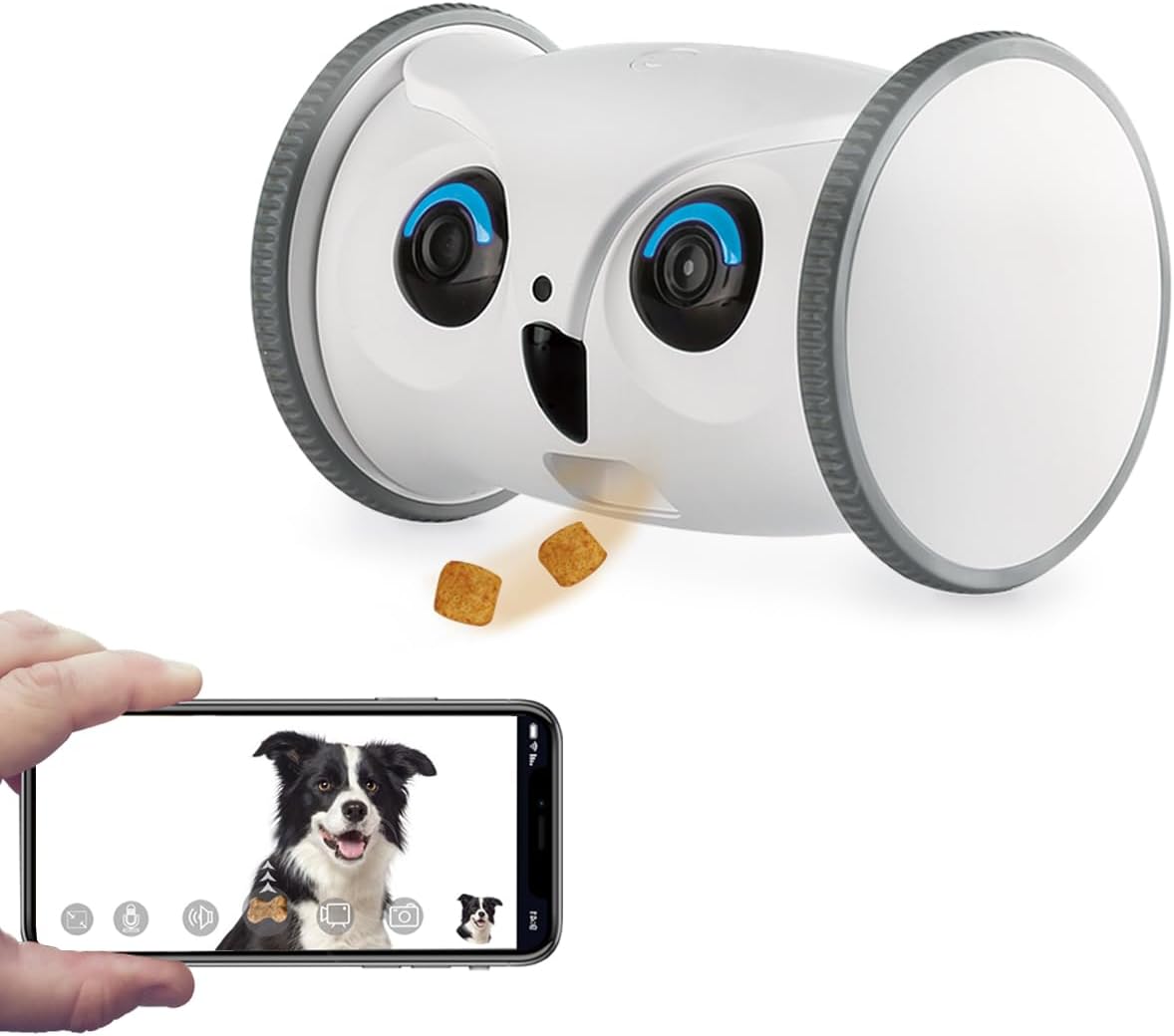
For Furbo-style treat-tossing cams: skip them for reptiles. The Furbo 360° is excellent for dogs but adds zero value for snakes or lizards.
Frequently Asked Questions
Is there any pet camera with a built-in CO2 sensor for a reptile room in 2026?
No consumer pet camera ships with a built-in NDIR CO2 sensor as of 2026. The closest integrations come from pairing an Alexa- or Matter-compatible camera (eufy E30, Ring Indoor Cam, Tapo) with a standalone CO2 monitor like the Aranet4 Home or Airthings View Plus and linking them through a routine.
What CO2 level is dangerous in a reptile room?
For keepers, OSHA's long-term workplace limit is 5,000 ppm but symptoms (headaches, drowsiness) appear well below that. For reptile rooms we recommend ventilating any time CO2 sustains above 1,000-1,200 ppm. Most animals tolerate higher levels than humans, but consistently poor ventilation also raises ammonia and humidity, which causes scale rot and respiratory infections.
Can I put a pet camera inside a reptile enclosure?
No. Consumer indoor cameras are not rated for sustained 80%+ humidity, basking temperatures, or UVB exposure. UVB will yellow the housing and degrade the lens, and humidity will fog or corrode the electronics. Mount the camera outside the glass, looking in.
Will the eufy E30 work with Aranet4 or Airthings CO2 sensors?
Indirectly, yes. The eufy E30 exposes motion and recording controls to Alexa and Google Home. Airthings View Plus exposes CO2 readings to both platforms natively. Aranet4 needs the Aranet Hub or a Home Assistant bridge. From there you can build a routine that triggers eufy recording when CO2 crosses your threshold.
What's the best ventilation setup for a small reptile room?
For a 100-200 sq ft hobby room, a 4-inch inline duct fan (around 200 CFM) on a smart plug, exhausting to an exterior wall or duct, paired with a passive intake vent on the opposite wall, is the standard build. A CO2 sensor triggers the smart plug; the camera records the response.
Do I need 4K resolution to monitor reptiles remotely?
Not strictly — 1080p or 2K is sufficient for confirming an animal is alive, eating, or shedding. 4K (eufy E30) becomes worthwhile when one camera covers multiple enclosures and you want to digitally zoom into a specific tank without losing detail.
Will a pan/tilt camera scare nocturnal reptiles?
Most pan/tilt cameras (Tapo, eufy E30) make a faint motor click when repositioning. Geckos and snakes generally ignore it after a day or two, but if you have a particularly sensitive species like a uroplatus, disable auto-tracking and set fixed presets instead.
Are there any cameras with built-in air quality sensors that include CO2?
Some 2026 baby monitors (Owlet, certain Vava models) and air purifiers include VOC or eCO2 sensors, but eCO2 is estimated from VOC and is not accurate enough for reptile-room ventilation control. Stick with a dedicated NDIR CO2 sensor and a separate pet camera.
Key Takeaways
- Choosing the right pet camera with CO2 sensor reptile room means matching capacity and output ports to your actual devices
- Always check actual watt-hours (Wh), not just watts — runtime depends on Wh, not peak output
- Also covers: reptile room ventilation camera
- Also covers: CO2 monitor pet camera reptile
- Also covers: snake room air quality camera
- Compare price-per-Wh across models to find the best value for your budget