To mount petcube cam on fish tank stand without vibration blur, isolate the camera body from the stand's resonant top with a 1/4-inch Sorbothane or sandwiched neoprene pad, lift the lens 8 to 12 inches above the cabinet using a wall-anchored arm rather than the stand itself, and add a small counterweight to drop the camera's natural resonance below the 50-120 Hz band that pumps and filters produce. The blur you see at 30 fps is almost never the Petcube sensor — it is harmonic shake from impellers and air pumps traveling up the MDF or plywood. Decouple the mount and the footage clears up immediately.
Why your fish tank stand turns a Petcube into a blurry mess
Aquarium cabinets are acoustic amplifiers. The combination of canister filter motors, return pumps, air stones, and surface skimmers generates continuous low-frequency vibration in the 40-150 Hz range. MDF, particleboard, and even solid wood stands behave like speaker cabinets — they capture that energy and re-emit it as physical wobble through the cabinet top. Any rigid object you place on that surface, especially a lightweight plastic camera like the Petcube Cam, becomes a tuning fork. Because CMOS sensors use rolling shutters that scan top-to-bottom over roughly 1/60 of a second, even sub-millimeter movement smears each frame. That is what produces the soft, shimmery look people mistake for poor optics.
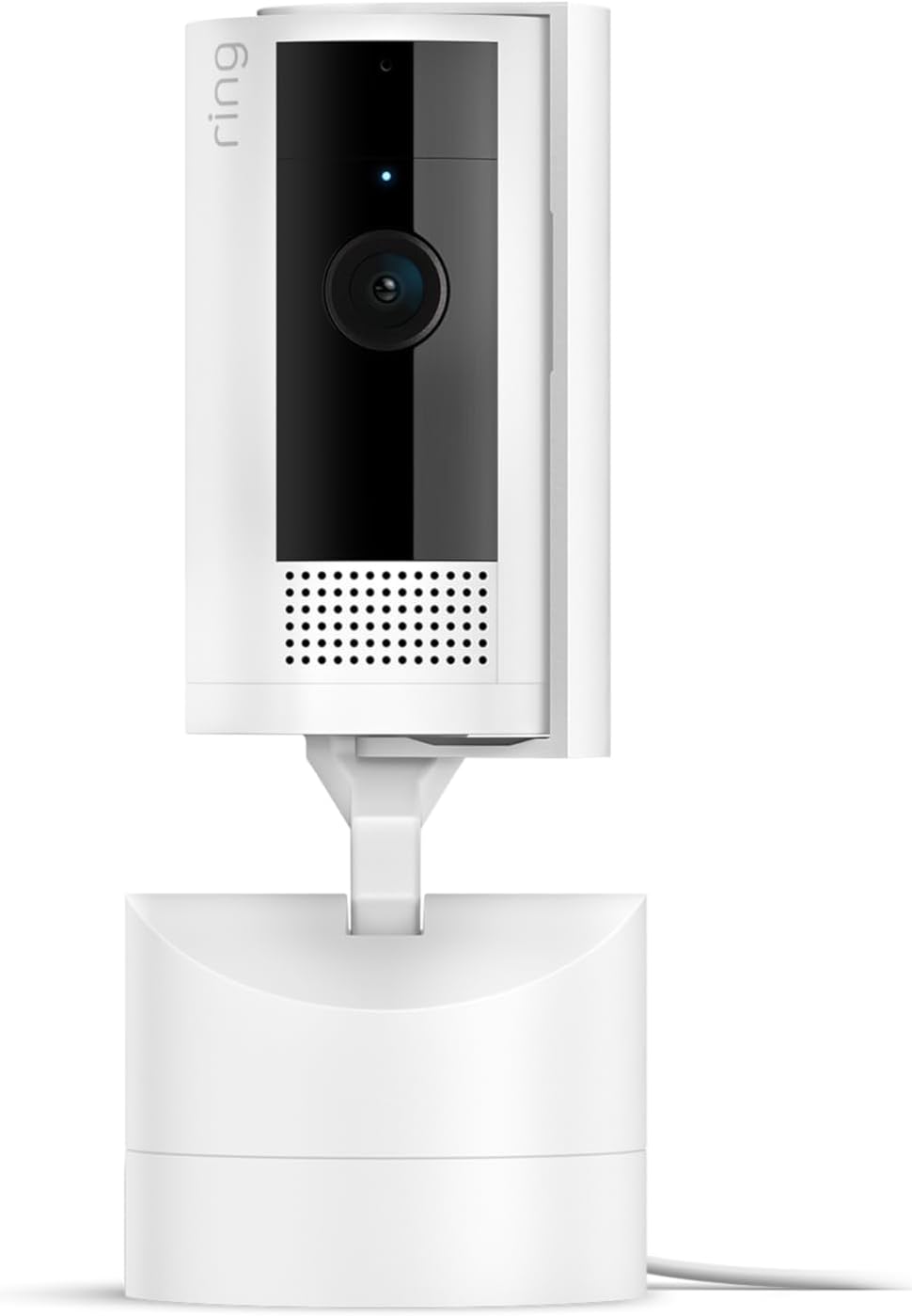

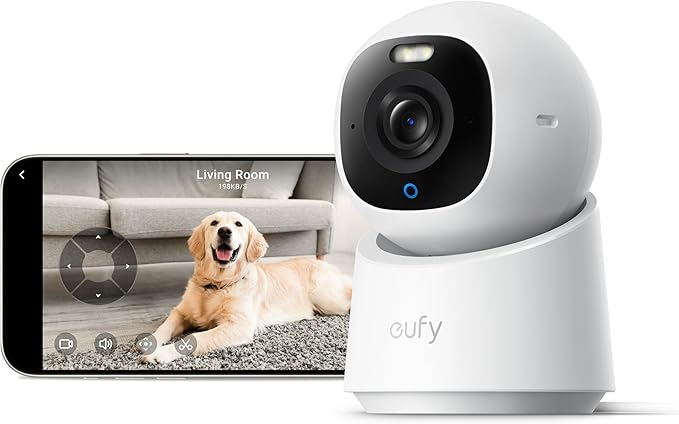
The fix is not a better camera. It is mechanical decoupling. Once you stop the vibration from reaching the lens, the existing Petcube sensor delivers clean 1080p footage. The same trick applies to any small indoor camera you use as a backup — Tapo, Blink Mini, eufy E30, or Ring Indoor Cam all behave identically on a vibrating cabinet.
Step-by-step: how to mount petcube cam on fish tank stand without vibration blur
Step 1: Pick a mount point that is not the stand itself
The single biggest improvement comes from refusing to bolt anything to the aquarium cabinet. A small wall-anchored shelf bracket, a clamp-on desk arm attached to a side table, or a ceiling-mounted security arm all bypass the resonant path. If you have drywall behind the tank, a 6-inch L-bracket lagged into a stud and offset 4-6 inches from the cabinet gives the Petcube a stable, isolated platform with the same field of view.
Step 2: Add a damping sandwich
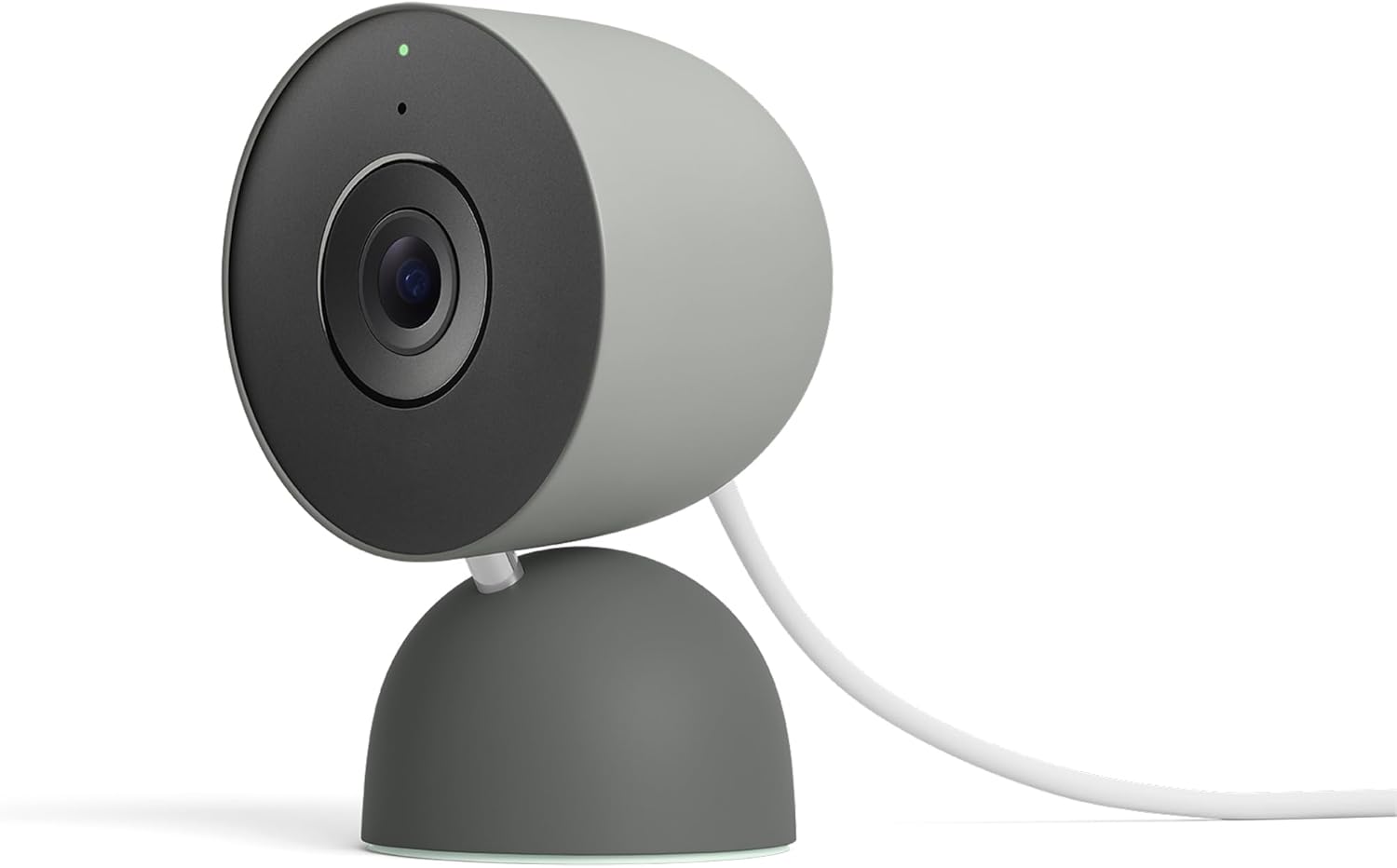
If you must place the camera on the stand top, build a three-layer damping stack: a 1/4-inch sheet of Sorbothane (Shore 30A), a rigid 3mm aluminum or HDPE plate, and a second 1/8-inch neoprene pad on top. This constrained-layer damping converts vibration into heat instead of motion. Avoid foam or felt alone — they store energy and ring rather than absorb it.
Step 3: Use 3M VHB tape, not screws
Screws transmit vibration. The Petcube's plastic base is light enough (under 8 oz) that a strip of 3M VHB 5952 tape on the damping plate holds it permanently while adding another lossy interface. Skip the magnetic base it ships with for this application — magnetic mounts couple high-frequency energy efficiently and defeat the entire damping stack.

Step 4: Add a counterweight to shift resonance
A 4-6 ounce steel washer epoxied to the bottom of the damping plate drops the assembly's natural frequency below the pump band. This is the same trick camera dollies use. Aim for total system mass around 12-16 ounces — heavy enough to ignore pump hum, light enough that the mount surface still supports it cleanly.
Step 5: Slow-motion verify
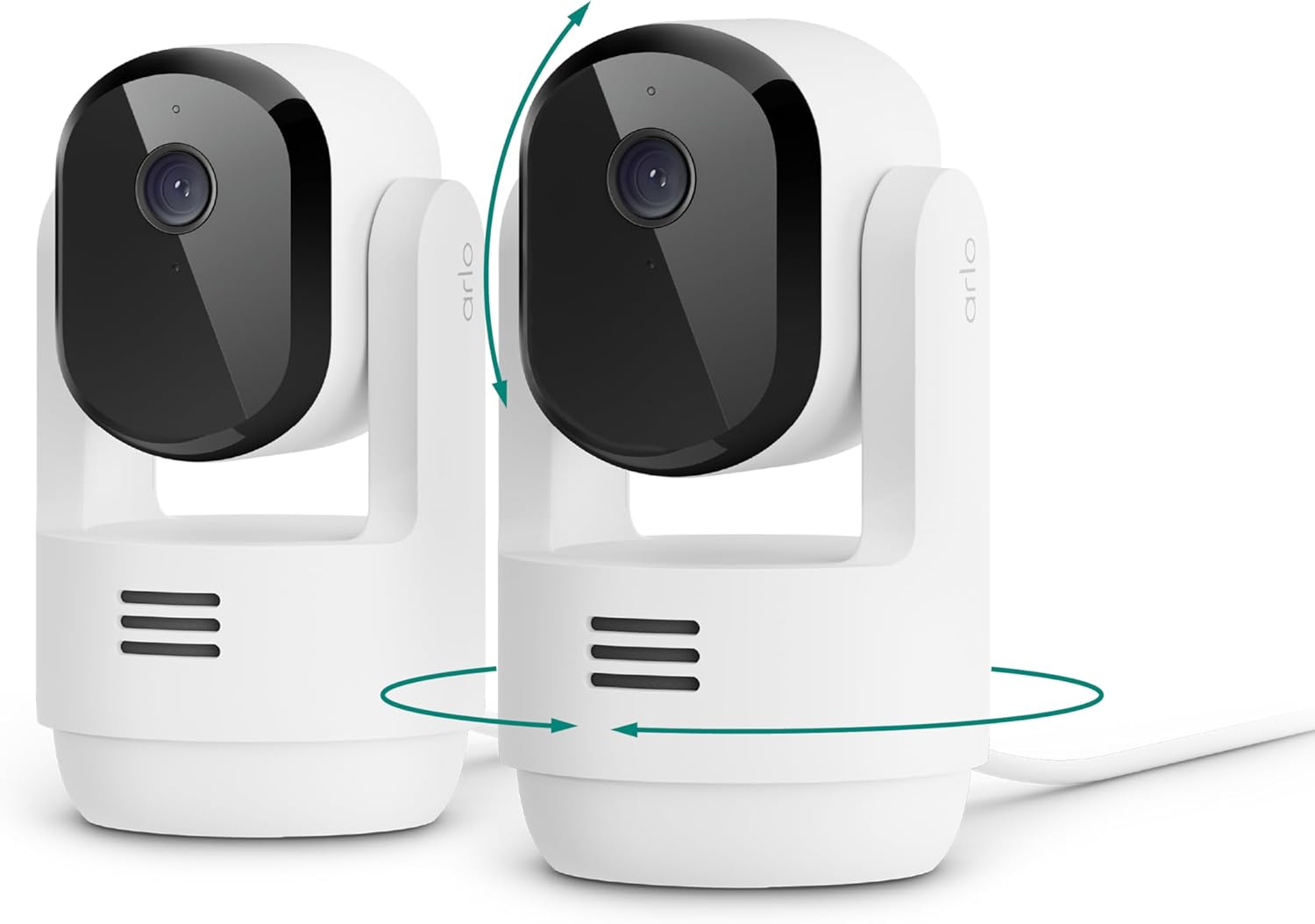
Record a 240 fps clip with your phone aimed at the Petcube while the tank equipment runs. If you can see the camera body twitching on playback, your damping is incomplete. Add one more neoprene layer or move the mount further from the stand. This empirical check beats guessing every time.
Backup pet cameras that handle aquarium vibration better than Petcube
If your Petcube is older, has a worn base, or simply cannot be repositioned, swapping to a camera with a heavier base or factory wall mount fixes the vibration problem without any damping work. Below is how four 2026 indoor cams compare for aquarium-adjacent installations. For a broader category overview, see our best pet cameras of 2026 ranking.
| Camera | Base Type | Weight | Vibration Resistance | Best Use |
|---|---|---|---|---|
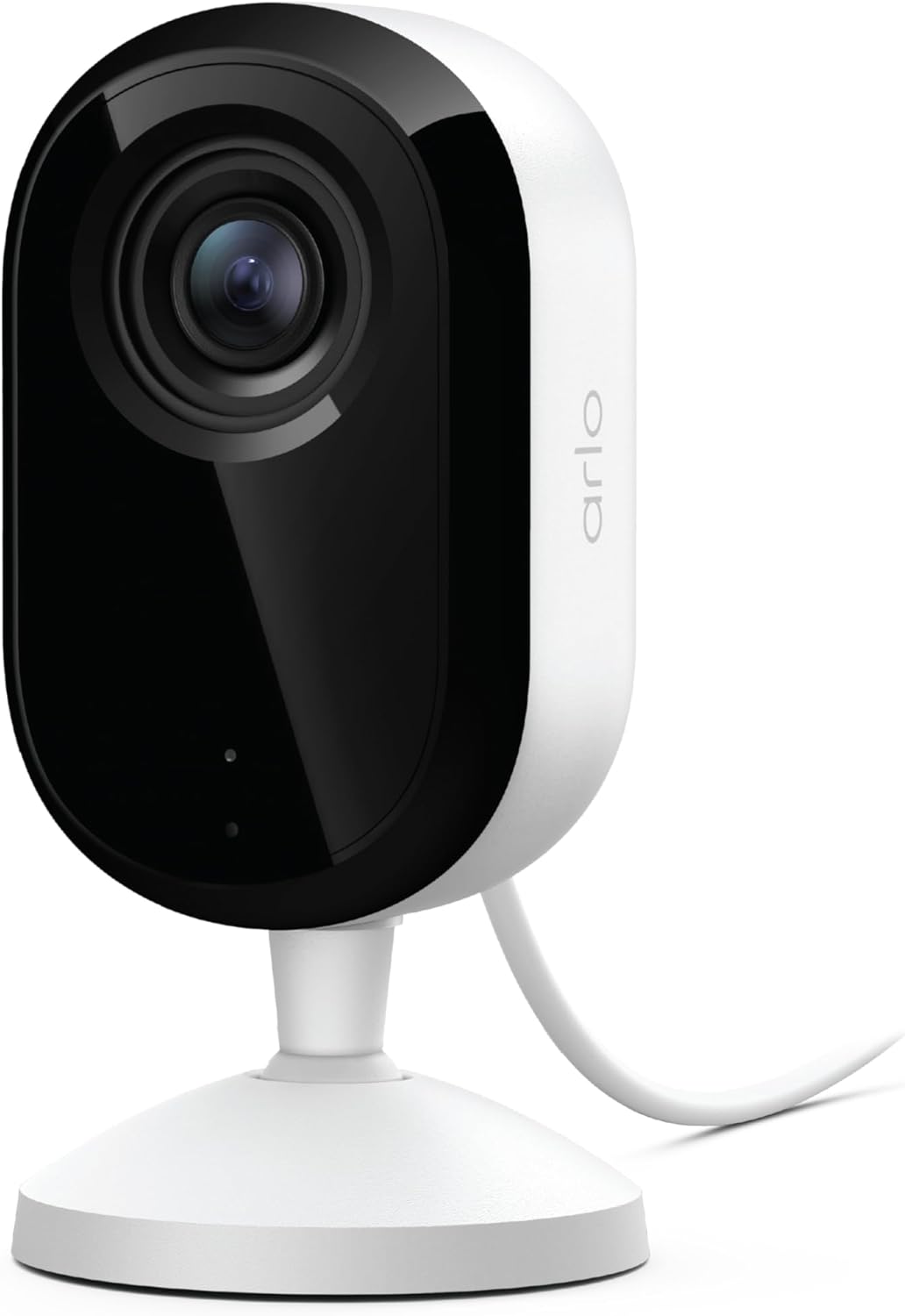
| Tapo 2K Pan/Tilt | Weighted dome | 9.2 oz | Good | Whole-room with tank in frame |
| eufy E30 4K | Magnetic + wall plate | 11.8 oz | Excellent | Detail shots, fish & pet behavior |
| Blink Mini 2K+ | Plug-in pivot | 3.5 oz | Fair | Tight spaces near tank shelf |
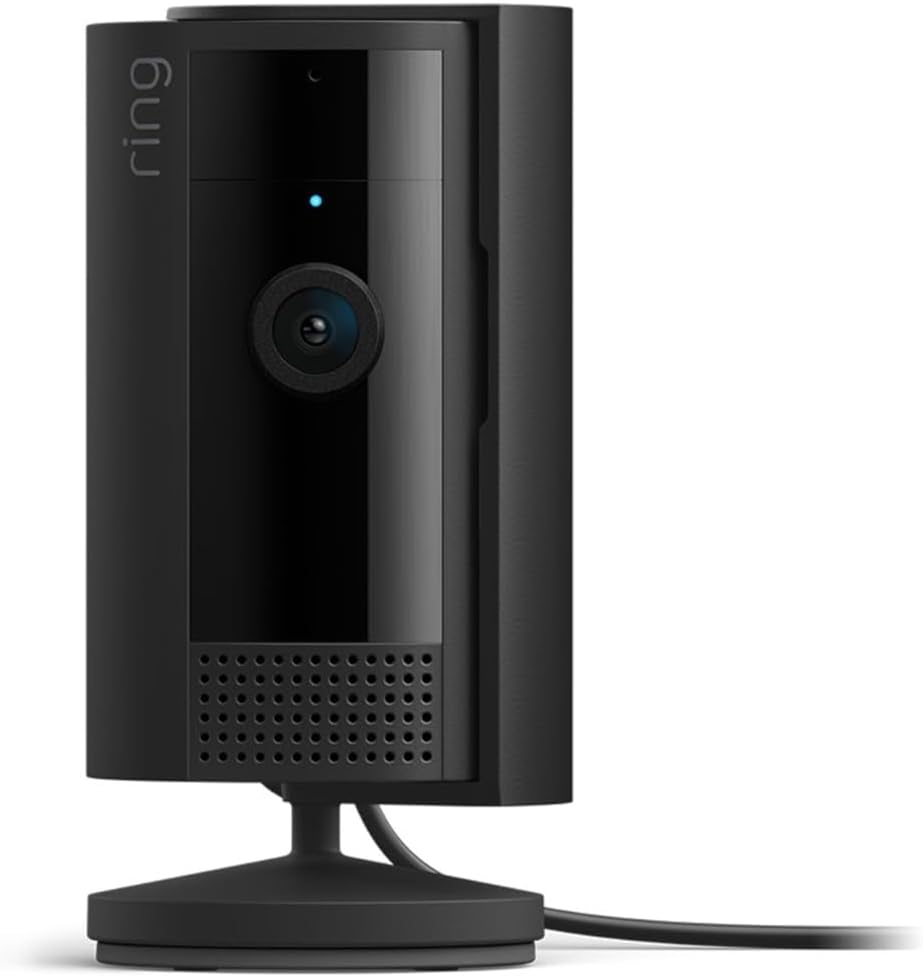
| Ring Indoor Cam | Heavy base + wall | 10.6 oz | Excellent | Permanent wall install above tank |
Tapo 2K Indoor Pan/Tilt — best lightweight swap
The Tapo C220 ships with a weighted dome base that sits flatter than the Petcube on uneven surfaces, and the 360° pan motor means a single unit can watch both the aquarium and the rest of the room. Mount it on the wall beside the tank instead of on top of the stand and the 2K sensor cleans up any residual micro-vibration. Check current pricing at Amazon.
eufy Security 4K Indoor Camera E30 — best image clarity
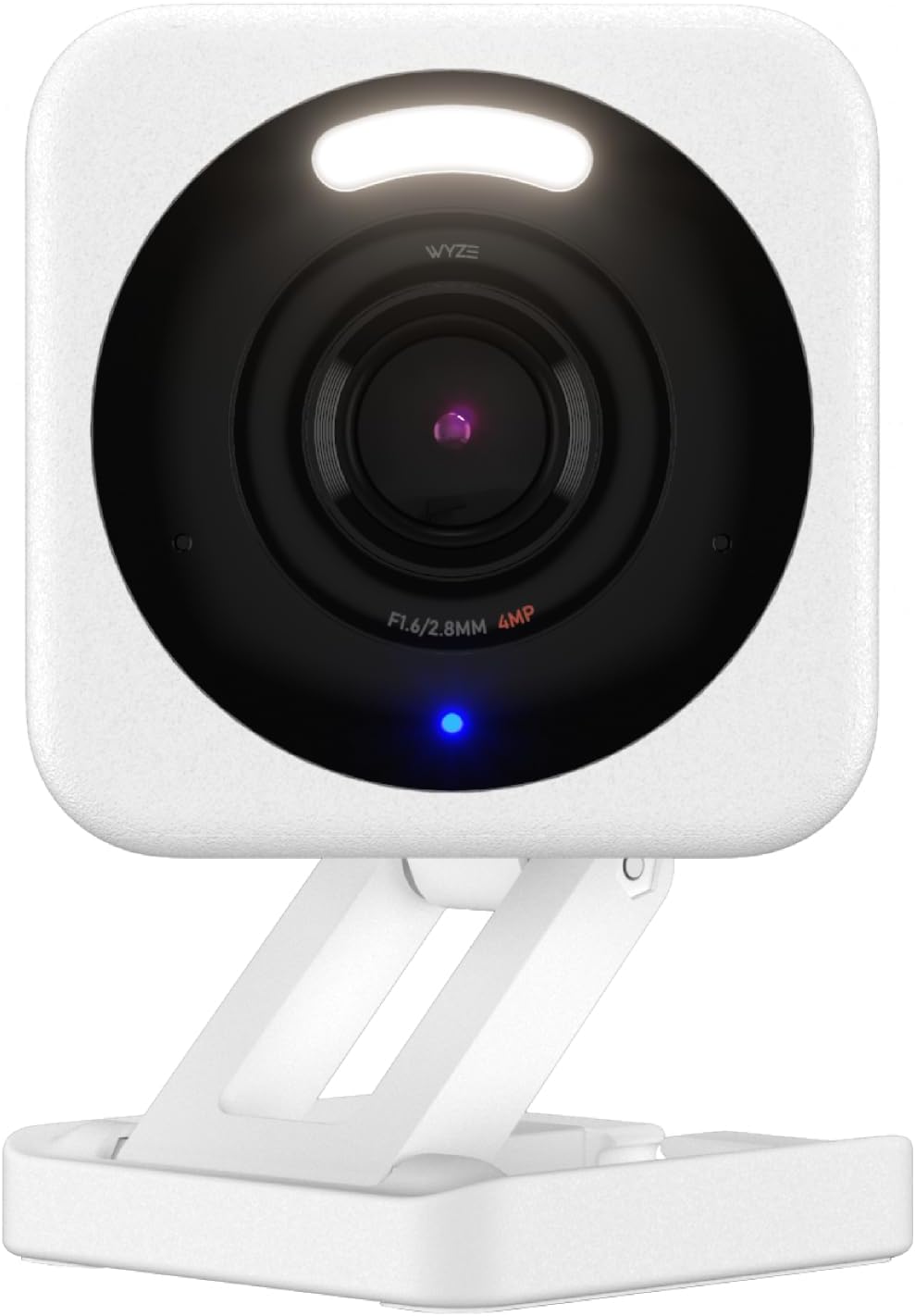
The E30's higher 4K resolution and on-device AI handle low-light aquarium scenes — where most blur complaints actually originate — far better than any 1080p cam. Its magnetic base attaches to the included steel wall plate, which decouples it from the tank stand entirely. No subscription is required for local recording, useful if you want continuous fish-tank monitoring. See the latest price on Amazon.
Blink Mini 2K+ — best for tight aquarium shelf spaces
At 3.5 ounces, the Blink Mini 2K+ is the lightest option here, which sounds bad for vibration but works in its favor when plugged into a wall outlet near the tank with no contact to the cabinet. The plug-in pivot mount holds itself away from any resonant surface. It is the cheapest way to add a second angle without rebuilding your mounting setup. Available on Amazon.
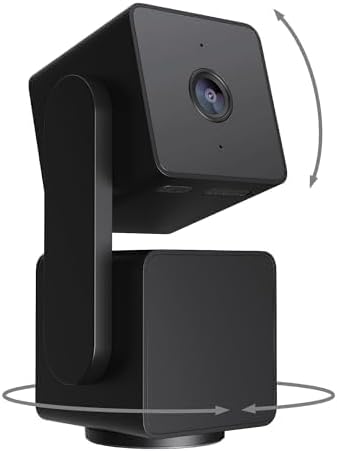
Ring Indoor Cam — best permanent wall mount
The Ring Indoor Cam ships with a heavy plastic base and screw-down wall plate that, once anchored to a stud near the aquarium, completely sidesteps the stand vibration problem. Its 1080p sensor is comparable to the Petcube's, but the mounting hardware is far more rigid. If you have already decided to abandon the stand-mounted approach, this is the simplest replacement. See it on Amazon.
Other tweaks that reduce vibration blur
Beyond the mount itself, three software and habit changes meaningfully sharpen Petcube footage near aquariums. First, raise the recording bitrate or set the app to its highest quality preset — lower bitrates compress motion artifacts harder, exaggerating the appearance of blur even when the sensor is steady. Second, increase ambient light around the tank. Petcube and similar 1080p cams drop shutter speed in dim rooms, which lengthens motion exposure and amplifies any remaining shake. A simple 800-lumen LED above the tank can cut the shutter time in half. Third, isolate the tank itself with a 1/2-inch rubber mat under the stand legs. This stops vibration before it ever reaches the cabinet top, making it easier to mount petcube cam on fish tank stand without vibration blur even with no damping under the camera.
If you are still seeing blur after all of this, the issue may be focus hunting rather than vibration. Petcube cameras occasionally re-focus on moving water surfaces and never settle. The fix is to angle the lens 10-15 degrees away from the water line so the autofocus locks on a static reference. Our Petcube troubleshooting guide covers focus lock workarounds in more detail.
Frequently Asked Questions
Can I mount a Petcube Cam directly on aquarium glass?
No. Aquarium glass transmits filter and pump vibration even more efficiently than the stand, and suction-cup mounts add a flexible spring that resonates at the worst possible frequencies. Glass also fogs and warms unevenly, which can damage the camera's plastic body. Always mount to a wall or ceiling bracket beside the tank instead.
What is the best damping material to stop fish tank vibration blur?
Sorbothane in Shore 30A or 40A is the industry standard — it is the same material used under microscopes and turntables. A 1/4-inch sheet under the camera base, sandwiched with a rigid plate, dissipates over 90% of the 40-150 Hz vibration aquariums produce. Neoprene is a cheaper second choice but rings more.
Does the Petcube Cam have built-in image stabilization?
The current 2026 Petcube Cam models include digital noise reduction but no optical image stabilization. That means hardware-level vibration always shows up in footage — you cannot fix it in software. This is why mechanical decoupling matters so much for aquarium installs.
Can I use a tripod next to my fish tank instead of mounting on the stand?
Yes, and it is often the easiest fix. A short tabletop tripod (8-12 inches) placed on a side table or shelf 2-3 feet from the tank stays completely outside the vibration path. Use a tripod with rubber feet and a weighted base for additional isolation. This is the recommended starter solution before any drilling.
Why does my pet camera footage look blurrier at night near the aquarium?
Two reasons. First, low light forces the camera to lengthen exposure, which makes any vibration visible across more pixels per frame. Second, aquarium lights flicker at line frequency (60 Hz in North America), which can beat against the camera's shutter rate and create rolling banding that reads as blur. Increasing ambient room light or switching to a DC-driven LED fixes both.
How heavy should my Petcube mounting assembly be to stop shake?
Counterintuitively, heavier is better up to a point. Anything under 8 ounces tends to ride pump vibration directly. The sweet spot for stable aquarium mounting is 12-20 ounces total assembly weight — heavy enough to ignore the pump band, light enough that the stand top is unaffected. Add washers or a steel plate to reach that range if needed.
Is a magnetic camera mount safe near aquarium electronics?
Modern neodymium magnets used in cameras like the eufy E30 are shielded and pose no risk to aquarium heaters, controllers, or pumps placed more than 4 inches away. Just keep the mount at least a hand's width from any digital aquarium controller or in-tank probe to avoid sensor interference. For more options, see our aquarium-safe camera mount guide.
Key Takeaways
- Choosing the right mount petcube cam on fish tank stand without vibration blur means matching capacity and output ports to your actual devices
- Always check actual watt-hours (Wh), not just watts — runtime depends on Wh, not peak output
- Also covers: petcube cam aquarium stand mount
- Also covers: reduce petcube cam vibration blur
- Also covers: petcube cam fish tank installation
- Compare price-per-Wh across models to find the best value for your budget